Author name: Sindiswa Mabunda

Avid fan of basketball. Former Wits University basketball player and contributor on The Big Tip Off.
A dissection of World Cup African Qualifiers Group B

GROUP B of the Basketball World Cup Africa Qualifiers will tip off in Dakar, Senegal, with the host nation welcoming Côte d’Ivoire, DR Congo and Madagascar (February 26 – March 1) at the Stade Marius Ndiaye. The Big Tip Off’s Sindiswa Mabunda previews the group and the chances of the competing teams. 

Senegal

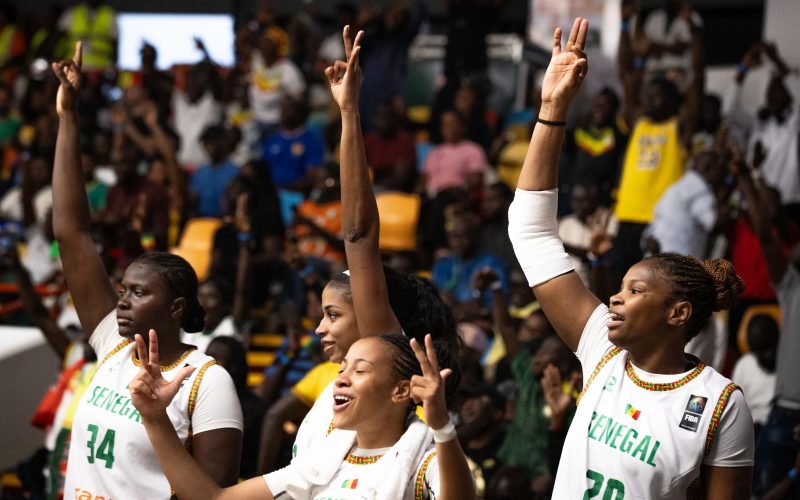
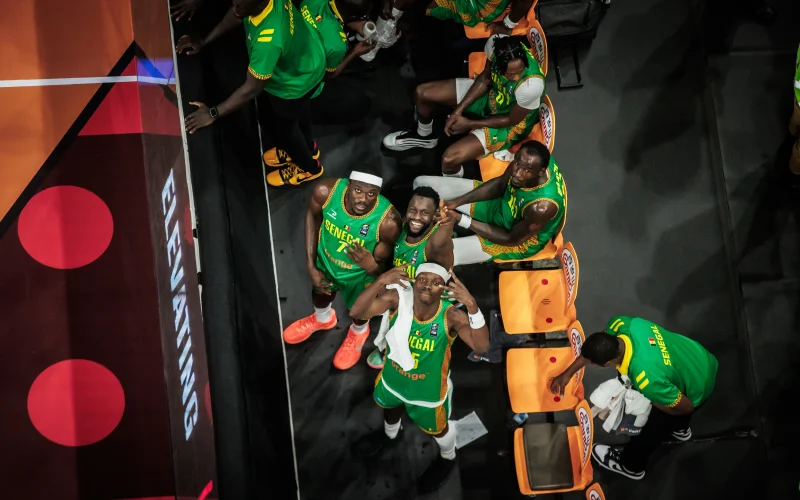
Senegal remains one of Africa’s most storied basketball nations, a perennial favourite whenever continental competition begins. At the recent AfroBasket, the Lions of Teranga displayed moments of dominance fuelled by one of the strongest backcourts in Africa, led by Brancou Badio and Jean Jacques Boissy, but inconsistency crept in at crucial stages.

The third-place finish was respectable, but Senegal’s ambitions extend far beyond the podium. Having last appeared at the FIBA World Cup in 2019 and missing out on 2023, this qualifying campaign carries a sense of urgency.

Head coach Ngagne De Sagana Diop has instilled defensive discipline and fast-paced transition play. Nonetheless, the team’s success will depend on depth and execution. If Senegal can rediscover the rhythm that once made them Africa’s most feared team, they’ll be the side to beat in Group B.

Jordan Sakho DRC 2027 World Cup Qualifiers
Jordan Sakho is a threat in the paint for the DR Congo. Pictures: FIBA Africa

DR Congo

For the Leopards of DR Congo, the challenge is no longer talent; it’s cohesion. On paper, they have the athleticism and individual skill to match any team on the continent. Their AfroBasket campaign, however, revealed lapses in concentration that often swung close games away from them.

Jordan Sakho stood out with his interior presence, but the supporting cast struggled to maintain offensive flow. The Leopards’ last World Cup Qualifier run ended in disappointment, but recent investments in local development and diaspora integration signal a program on the rise.

If DR Congo can synchronise their defensive effort with better shot selection and composure under pressure, they could easily play the role of disruptors in this group, and possibly emerge as dark horses for qualification.

Mathias M'madi 2027 World Cup Qualifiers Madagascar
Mathias M’madi will push the pace for Madagascar in Senegal.

Madagascar

Madagascar continues to write its basketball story one learning curve at a time. Their AfroBasket performance showed flashes of energy and commitment, even against far more experienced opponents. The island nation may have failed to progress beyond the group stage, but they gained valuable experience that could serve them well in this qualifying cycle.

The team lacks size and depth, but compensates with speed, ball movement, and chemistry. For Madagascar, the 2027 World Cup qualifiers offer more than just results; they provide a platform for development and growth. Each game is an opportunity to test their resilience and close the gap with Africa’s elite. If they can sharpen their perimeter shooting and maintain defensive focus, they could make life difficult for more established teams in the group.

Assemian Moulare 2025 AfroBasket Cote d'Ivoire
Assemian Moulare is expected to be a standout player for Cote d’Ivoire at the World Cup qualifiers.

Côte d’Ivoire

If there’s one team in Group B that knows how to navigate qualifying campaigns, it’s Côte d’Ivoire. The Elephants have become a model of consistency in African basketball: disciplined, composed, and relentlessly competitive. Their balanced mix of veterans and rising stars continues to set the tone for others to follow.

At AfroBasket, Côte d’Ivoire’s defensive intensity and well-drilled structure once again stood out. On the global stage, their 2023 World Cup appearance reaffirmed their growth and adaptability. Players like Nisre Zouzoua, Matt Costello, Solo Diabate, and Assemian Moulare embody the nation’s identity, the collective over an individual, patient yet explosive when required.

Even if some of their key figures are unavailable due to club commitments, Côte d’Ivoire’s tactical organisation ensures that the system, not the star, remains their strongest asset. Expect them to be one of the most difficult teams to break down in this group.

Outlook

Senegal and Côte d’Ivoire enter as clear frontrunners, backed by pedigree and proven systems, but the DR Congo’s raw potential lends unpredictability to this group. Madagascar, meanwhile, approach each fixture as both a challenge and an opportunity to grow. In a short qualifying window where chemistry and execution often outweigh star power, expect fine margins to decide outcomes. Côte d’Ivoire’s structure, Senegal’s firepower, and DR Congo’s physicality set the tone for a tightly contested group.

A dissection of World Cup African Qualifiers Group B Read More »

Preview of Group A of the 2027 FIBA World Cup Qualifiers Africa

GROUP A of the 2027 FIBA World Cup qualifier sees strong nations Cameroon, Cape Verde and South Sudan and minnows Libya, trying to make headway in the first round in Rades, Tunisia. The Big Tip Off writer Sindiswa Mabunda gives an outlook on the chances of the four competing nations in Group A. 

Cameroon

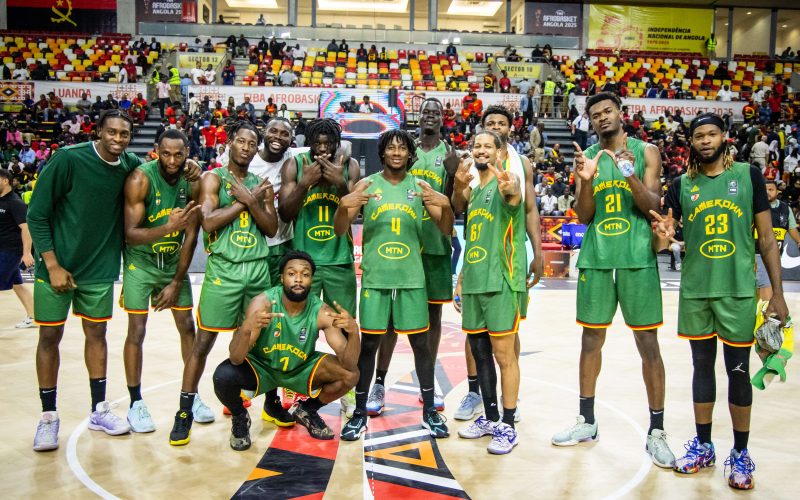
Cameroon enter this qualifying window on the back of an impressive AfroBasket campaign that reaffirmed their defensive identity and competitive edge. The Lions came within touching distance of the final, losing heartbreakingly to eventual champions Angola in the dying seconds of the semi-final. Their strength lies in disciplined defence and high-intensity execution, but their depth remains a concern, particularly if key contributors are unavailable.

The electric Jeremiah Hill, who averaged 15.7 points, five assists, and 2.2 steals at the recent AfroBasket, is capable of creating offence out of nothing. Team captain Fabien Ateba provided steady scoring (12.6 points per game) during the AfroBasket, and he is a capable rebounder (3.6 per game). Tamenang Choh contributed with efficient shooting and strong rebounding, and Samir Gbetkom emerged as a key facilitator and defensive disruptor.

Cameroon’s last appearance in the World Cup Qualifiers saw the Indomitable Lions fall short, but their recent continental showing suggests they’re edging closer to bridging that gap. If they can reproduce the defensive consistency that defined their impressive run in the AfroBasket, they will be a tough matchup for any opponent in this group.

Deng Deng at the 2025 Afroasket
South Sudan’s Deng Deng will lead a new look South Sudan Fiba World Cup Qualifiers. Pictures: FIBA Africa

South Sudan

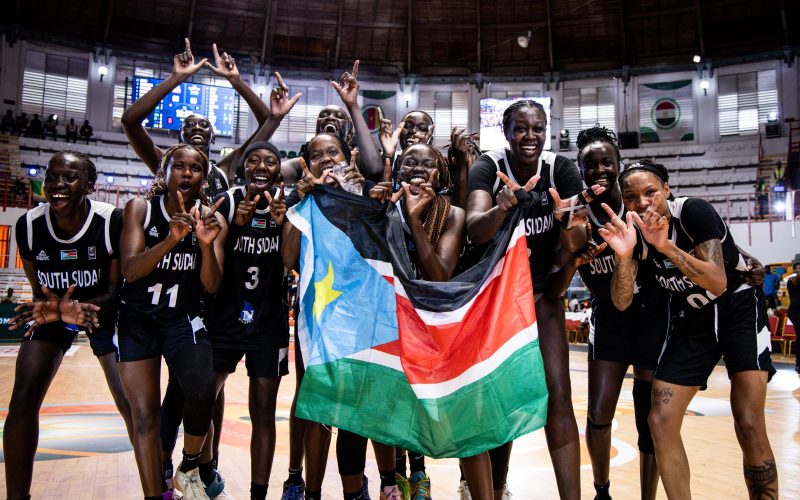
South Sudan’s meteoric rise over the past five years has captured the imagination of basketball fans across Africa and beyond. Their AfroBasket campaign may not have reflected their true strength, as they were without their Olympic core, but their trajectory remains upward. Despite early defeats to Angola and Guinea, the Bright Stars showed glimpses of their trademark grit, with Nuni Omot standing out as their offensive engine, delivering 17 points per game.

Their historic debut at the 2023 FIBA Basketball World Cup told a more accurate story. South Sudan collected their first-ever World Cup win by defeating China 89–69, a moment that symbolised their emergence as a serious force. Led by Carlik Jones’ composure, they became the youngest basketball nation to win on that stage.

With Luol Deng’s vision continuing to shape the program, South Sudan’s challenge now lies in maintaining consistency amid roster uncertainties. If even a portion of their Olympic and World Cup core can suit up, they’ll remain favourites to top the group.

Mohamed Sadi in action for Libya
Mohamed Sadi is a key figure for Libya in the qualifiers.

Libya

For Libya, the 2025 AfroBasket was a tournament of missed opportunities. They entered with promise but were quickly undone by instability, both in the technical bench and roster availability. A last-minute coaching change from Fouad Bou Chakra disrupted the team’s rhythm, while the absence of talisman, Mohamed Sadi, due to injury left a massive void. The team struggled to find its footing, failing to register a win, but there were moments of effort and resilience that suggest a foundation to build upon.

In the broader context of the World Cup qualifiers, Libya haven’t been a major player in recent cycles. Yet, this window is a chance to reset. Their focus will likely be on restoring team chemistry and establishing identity under stable leadership. If they can integrate returning talent and bring back key scorers, Libya could be more competitive than its recent results suggest.

Ivan Almeida in action for Cape Verde
Ivan Almeida is expected to give a strong showing for Cape Verde.

Cape Verde

The Blue Sharks continue to defy expectations. Despite being one of Africa’s smallest nations, Cape Verde has proven they belong among the elite. At AfroBasket, they reached the quarterfinals, where Angola eliminated them. The Blue Sharks displayed a level of maturity and balance that’s become their hallmark.

They have an ageing core built around Edy Tavares, a two-time EuroLeague champion and three-time EuroLeague best defender, alongside brothers Ivan and Joel Almeida. There were reports of player dissatisfaction with the federation after the AfroBasket exit, with Ivan Almeida hinting at a possible retirement.

At 36, Almeida is still playing at a high level, and his AfroBasket numbers (12 points, 6.2 rebounds, and 5.4 assists) show he can still deliver for the island nation.

His older brother Joel, who recently turned 40, adds experience to Cape Verde’s ranks. He had a productive AfroBasket, scoring 14 points, but with the national team needing to head in a new direction, can Joel Almeida still be part of the future?

The Blue Sharks need to rebuild after their historic 2023 World Cup qualification, but retaining the guiding hand of experience is also paramount ahead of the qualifiers.

Outlook

Group A offers a compelling balance of styles and storylines. South Sudan, buoyed by their rapid rise and global experience, enters as the early favourite. Cameroon’s defensive discipline makes them dangerous spoilers, while Cape Verde’s cohesion and proven ability to punch above their weight keep them firmly in contention. Libya, though still rebuilding, could be the wildcard if it manages to stabilise and rediscover confidence.

Preview of Group A of the 2027 FIBA World Cup Qualifiers Africa Read More »

A review of Group C of the 2027 World Cup Africa Qualifiers

THE opening round of the 2027 FIBA Basketball World Cup Africa Qualifiers begins Thursday in Rades, Tunisia, where the host nation will join Nigeria, Rwanda, and Guinea in seeking a strong start to their Group C campaign. The Big Tip Off writer Sindiswa Mabunda outlines the chances of the teams in Group C.

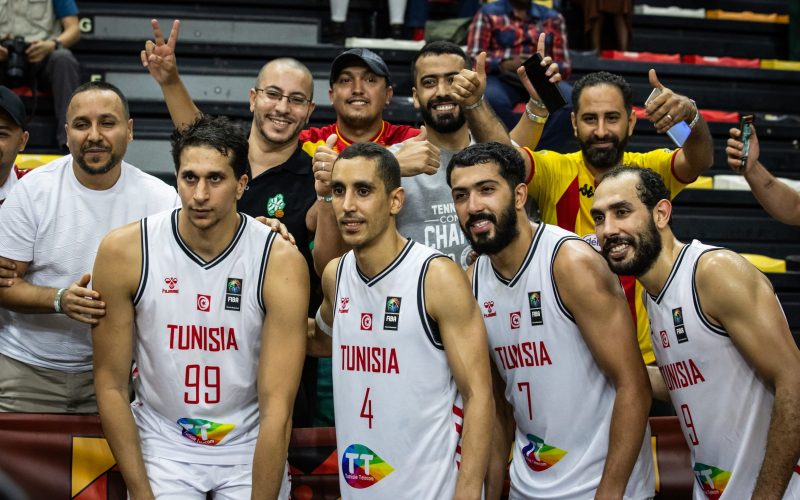
Tunisia

Once the symbol of tactical excellence in African basketball, Tunisia now find itself at a crossroads. Their AfroBasket campaign revealed a team in transition, flashes of the old brilliance mixed with growing pains of a younger generation still adapting to the big stage.

Veteran Omar Abada remains the team’s heartbeat, guiding a roster that’s learning to find its own identity. The departure of several key veterans, including Makrem Ben Romdhane and Radhouane Slimane, has left gaps, particularly in consistency and shot creation, but Tunisia’s basketball culture remains strong.

Their track record on the continent gives them an edge. They will also count on homecourt advantage. Even as the roster evolves, Tunisia’s structured approach, disciplined defence, and efficient ball movement ensure they remain competitive in any setting.

Nigeria's D'Tigers at the 2025 AfroBasket
Can Nigeria field a consistent lineup? Pictures: FIBA Africa

Nigeria

Nigeria’s basketball story over the past few years has been one of both potential and volatility. Boasting a deep pool of NBA and international talent, the D’Tigers have struggled to maintain a consistent core. Their recent AfroBasket campaign reflected that volatility: flashes of brilliance but little sustained chemistry.

Despite a talented roster that included Josh Okogie, Nigeria failed to advance beyond the quarterfinals, once again raising questions about continuity and cohesion. After missing the 2023 World Cup, the 2027 qualifiers present an opportunity for renewal, not just in results but in identity.

Nigeria’s success has always been built on athleticism, perimeter defence, and pace. If the federation can stabilise player selection and leadership, the D’Tigers have the raw ability to dominate this group. The question is not about talent; it’s whether they can finally translate it into consistent team play.

Rwanda at the 2025 AfroBasket
Rwanda are yet to set the scene alight on the continent.

Rwanda

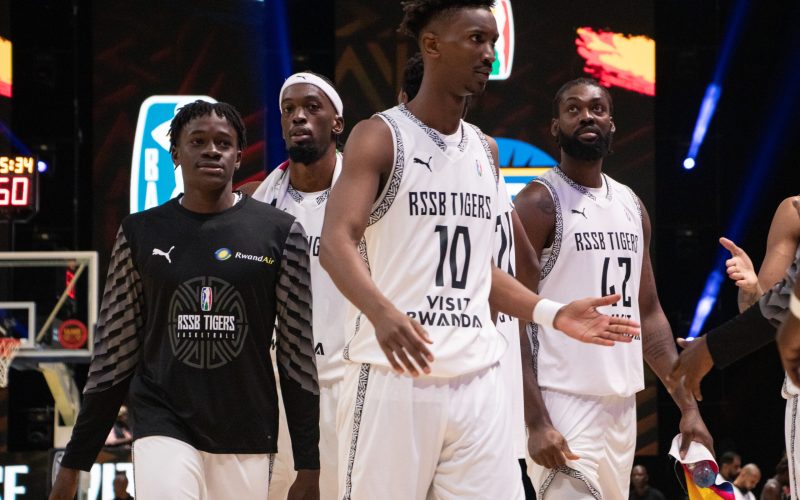
Few African nations have invested in basketball infrastructure like Rwanda has. The country’s commitment to basketball led to the construction of world-class facilities and the launch of grassroots programs. The East African nation has also hosted international competitions, all of which have raised expectations. However, their performance at the AfroBasket told a more sobering story.

Despite the leadership of Ntore Habimana and Williams Robeyns, Rwanda struggled to find rhythm and ended the campaign winless. The absence of key players and limited scoring options exposed the gap between investment and on-court execution. The qualifiers arrive during a period of transition following the departure of head coach Cheikh Sarr.

Former assistant Yves Murenzi steps in on an interim basis, supported by three former national team players: Kenny Gasana, Aristide Mugabe, and Sunny Niyomugabo. For Rwanda, this qualifying window is about turning potential into performance. They have the tools, discipline, structure, and homegrown pride, but must rediscover their confidence on the floor. If they can establish early chemistry and capitalise on their transition game, they could become a tricky matchup for every team in this group.

Guinea at the 2025 AfroBasket
Can Guinea build on their impressive 2025 AfroBasket?

Guinea

Guinea’s run at the AfroBasket was one of the standout stories of the tournament. Although they narrowly missed the quarterfinals, their performances against top teams, including a memorable win over South Sudan, showed that the West African nation cannot be underestimated.

Led by Mamadi Diakite and Alpha Diallo, the team played with fearlessness and physicality, often dictating tempo and outworking their opponents. The fact that they missed the knockout rounds by just three points underscores how close they are to breaking into Africa’s top tier.

Guinea enter these qualifiers with belief and momentum. Their defensive discipline and balanced scoring make them one of the most intriguing dark horses in Group C. If they build on their AfroBasket foundation and keep the same intensity, they could threaten both Nigeria and Tunisia for a top-two finish.

Outlook

Nigeria’s firepower gives it the highest ceiling, but only if it can find unity. Tunisia’s tactical structure could keep them steady, while Guinea’s momentum from AfroBasket makes them the potential disruptor. Rwanda, with their growing basketball culture, will aim to translate their off-court progress into on-court results.


A review of Group C of the 2027 World Cup Africa Qualifiers Read More »

Group C is a mix of the strong and the darkhorses

THE AfroBasket is making a return to Angola after 19 years, and the giants of the game will converge on the cities of Luanda and Moçâmedes in the Southern province of Namibe in the quest to be crowned basketball kings of Africa. Ahead of the tournament, The Big Tip Off is providing a preview of all the groups, key players, statistics and predictions on which teams will emerge.

Group C Overview

Group C at AfroBasket 2025 offers a fascinating mix of basketball royalty, rising forces, and ambitious challengers. Hosts Angola will be under pressure to deliver in front of their passionate home fans and reclaim past glory. South Sudan, Africa’s top-ranked team, aims to continue their meteoric rise and stake a claim as continental champions.

Guinea arrive with a fearless edge, eager to prove their upset over Angola in the qualifiers was no fluke. Libya make a long-awaited return to the tournament after 16 years, hoping a blend of veteran experience and fresh energy can surprise the field.

With three knockout stage spots available, this group promises high-intensity clashes and very few easy wins.

Angola – The Home Giants

Angola enters AfroBasket 2025 with a rich history, strong home support, and the desire to add to their record of 11 titles. They last lifted the trophy in 2013, and while results over the past decade have been mixed, including a quarterfinal exit in 2021, this tournament represents a chance for redemption and a celebration of their basketball heritage.

Guided by Spanish coach Josep Claros Canals, Angola dominated the qualifiers, topping Group C in scoring (83.3 points per game), assists (19.0), and blocks (3.0).

Childe Dundao, the team’s top scorer at 18.5 points per game, and Jilson Bango, with a shooting percentage of 61% and an average of 7.7 rebounds per game, will be crucial to their success. The MVP of the domestic Angolan Basketball League, Aboubakar Gakou, as well as Gerson Gonçalves, strengthen a well-balanced attack.

If Angola can improve their three-point shooting (29%) and reduce turnovers (14.7 per game), their mix of interior strength and home-court energy will make them strong favourites to top the group.

South Sudan Group C AfroBasket
South Sudan has been the team of the moment in African basketball. Pictures: FIBA Africa

South Sudan – The Rapid Risers

South Sudan’s journey from debutants in 2021 to Africa’s number-one ranked team has been nothing short of remarkable. They arrive in Angola with an aggressive, athletic style that has caught the eye.

In the qualifiers, they led all teams in this group in rebounds (43.3 per game), steals (16.3), and field goal percentage (45%). Wenyen Gabriel was a force on both ends, topping the rebound charts at 10.5 per game and adding 2.5 blocks, while Kuany Atem Kuany shot an extraordinary 68.8% from beyond the arc.

Kur Nyok Kuath provided elite finishing at 88% from the field, and Jackson Makoi orchestrated the offence with 5.8 assists per game.

The Bright Stars’ challenge will be maintaining shooting consistency and avoiding costly defensive fouls. If they can lock in defensively, the talent at their disposal and momentum will facilitate a deep run and cement themselves as the best team on the continent.

Guinea Group C AfroBasket
Guinea will look to punch above their weight in Group C.

Guinea – The Fearless Challengers

Guinea come to the tournament with a fighting spirit and the confidence of knowing they can beat the best, having edged Angola 66–65 in qualifiers. Ranked 11th in Africa, they play with physicality, hustle, and a willingness to battle on every possession.

Shannon Evans was their offensive spark, averaging 19 points per game and shooting a group-best 90% from the free-throw line during qualifiers. Ousmane Drame added versatility with 14 points, 8.3 rebounds, and four assists per game, while Cheick Sekou Conde and Abdoulaye Sy brought muscle to the paint.

Guinea also posted the highest team free-throw percentage in Group C (73.3%). However, low shooting efficiency (38.9%) and a high turnover rate (20 per game) threaten to undermine their efforts. If they can take better care of the ball and improve shot selection, Guinea could cause another upset or two.

Libya – The Returning Dark Horses

Libya’s return to AfroBasket after a 16-year absence has been one of the most compelling storylines. Their qualification run was marked by resilience, starting with a pre-qualifying win over Morocco and peaking with a dramatic 92–89 overtime victory against Nigeria.

Hosting the second round of qualifiers boosted their momentum, and they finished with a 4–2 record. The appointment of former NBA player Sam Vincent as head coach adds a new layer of experience and tactical knowledge to the lessons learned during their qualifying run with Coach Fouad Abou Chakra.

Naseim Badrush was the motor of the side, playing a tournament-high 37.9 minutes per game and leading all players in assists (8.4). Mohamed Sadi was the cornerstone of the side, with his ability to turn defence into offence. He made history during qualifiers, notching a historic triple-double (24 points, 12 assists and 10 steals).

Sofian Hamad and Mohamed Ramadan provided inside scoring and rebounding. Shooting efficiency (38.2%) and defensive lapses remain concerns, but if Libya get their rhythm early, they could easily disrupt the group’s expected order.

Sadi Group C
Mohamed Sadi will be key to Libya’s progress in the AfroBasket.

Key Fixtures to Watch

Angola vs South Sudan: A clash between the hosts and Africa’s top-ranked side, with first place in the group likely on the line.

Guinea vs Libya: A game that could determine the battle for a knockout spot, pitting Guinea’s hustle against Libya’s experienced core.

South Sudan vs Guinea: Athleticism meets grit in a matchup that could produce a major upset.

Predictions

Buoyed by their home crowd and a commanding inside presence, Angola head into Group C as favourites to advance. With their blend of experience, depth, and home-court advantage, they have the tools to progress. So long as they cut down on turnovers and sharpen their perimeter shooting.

South Sudan is the most likely to advance to the knockout stages alongside the hosts. Their size, rebounding, and defensive intensity give them an edge over Guinea and Libya. If their shooting holds up, they could even top the group.

Guinea, fresh from their qualifier’s upset over Angola, cannot be discounted. If they improve efficiency and cut down turnovers, they could stun a higher-ranked opponent for a chance to play for a knockout spot. Libya, though ranked lowest in the group, have the tools and coaching to cause surprises. A strong start and consistent execution could make them the wild card in Group C.

Group C is a mix of the strong and the darkhorses Read More »

Eagles, D’Tigers, Lions and Ankoay spearhead Group B

THE AfroBasket is making a return to Angola after 19 years, and the giants of the game will converge on the cities of Luanda and Moçâmedes in the Southern province of Namibe in the quest to be crowned basketball kings of Africa. Ahead of the tournament, The Big Tip Off is providing a preview of all the groups, key players, statistics and predictions on which teams will emerge.

Group B Overview

Group B at AfroBasket 2025 promises fierce competition. Reigning champions Tunisia, perennial contenders Nigeria, an improving Cameroon, and plucky Madagascar make up the group.

Tunisia arrives aiming for a historic third straight title, backed by a balanced and efficient squad. Nigeria has the talent to challenge, but Cameroon is Tunisia’s true competitor in this group. The Indomitable Lions have shown consistency and steady growth across recent senior men’s tournaments. Their blend of young talent and experience makes them a formidable threat eager to improve on past performances.

Meanwhile, Madagascar returns after a 14-year absence, motivated to demonstrate growth and resilience. With only two knockout spots available, this group will truly test each team’s mettle and adaptability.

Tunisia – The Reigning Contenders

The Carthage Eagles enter the tournament as one of Africa’s most dominant basketball nations. With three titles (2011, 2017, and 2021) under their belt, Tunisia are chasing history with their pursuit of a third consecutive crown, a feat only achieved by Angola. Currently ranked 4th in Africa and 36th globally, Tunisia’s strong qualifying run showcased their offensive balance and defensive discipline, but it also exposed some vulnerabilities, including a recent loss to Angola.

Under coach Mehdy Mary, whose European experience has sharpened Tunisia’s tactical edge, the team boasts a balanced mix of veteran leadership and rising talent. Omar Abada, the qualifiers’ top scorer and assist leader for Tunisia, offers clutch playmaking, while Oussama Marnaoui provides scoring versatility. Tunisia leads the group in shooting efficiency (45% FG, 57.5% 3P, 78.8% FT), assists (19 per game), and blocks (11.2 per game), making them favourites. Maintaining consistency and depth will be key to their success.

Hill AfroBasket
Jeremiah Hill’s playmaking ability will be pivotal for Cameroon in the AfroBasket. Pictures: FIBA Africa

Cameroon – The Balanced Threat

Cameroon arrives with momentum and a motivated coaching staff led by Alfred Aboya, a former national player turned coach. Ranked ninth in Africa and 64th worldwide, Cameroon finished the qualifiers with a solid 4-2 record highlighted by strong rebounding and balanced scoring.

New Orleans Pelicans standout rookie Yves Missi will form part of Aboya’s roster, adding an extra layer of athleticism and potential to an already competitive team led by key contributors like Jeremiah Hill and Williams Narace. Cameroon dominated the boards in qualifiers, averaging 48.8 rebounds per game, in their qualifying group, while Williams Narace’s 56.6% three-point shooting stretched defences effectively.

However, the team struggled with shooting efficiency overall (38.8% FG) and recorded moderate turnovers (17.5 per game). If they can improve their perimeter shooting and maintain their rebounding dominance, Cameroon is well-positioned to challenge Tunisia for the top spot.

Nigeria – The Resurgent Giants

Nigeria’s D’Tigers remain a team which can never be overlooked, with a 2015 AfroBasket title and several deep runs. Ranked sixth in Africa and 42nd worldwide, Nigeria rebounded from a 0-3 record in the first window in November and went on a 3-0 run in the second window.

Led by coach Abdulrahman Mohamed, Nigeria will rely on the talents of Caleb Agada, Mike Nuga, and Devine Eke. Ike was a standout in the qualifiers, leading the group with 22.7 points, 8.3 rebounds, three steals, and logging 39 minutes per game.

Nigeria’s strength lies in aggressive defence, leading the group in steals with 17 per game, and consistent rotation minutes. Yet, inconsistent shooting (38.7% FG) and turnovers (17 per game) are concerns. If their offence clicks and they maintain defensive pressure, Nigeria could upset the group order and advance.

Madagascar – The Returning Challengers

After a 14-year absence, Madagascar returns with renewed determination. Ranked 19th in Africa and 105th globally, Madagascar finished qualifiers 2-4 but made waves with a big upset over Egypt in the last qualifying window.

Coached by John Douaglin, Madagascar features dynamic guard Mathias M’Madi (2022 U18 MVP), steady backcourt leader Elly Randriamampionona, and the physical presence of Sitraka Rajarimanantoanina.

Madagascar’s greatest strength is ball security, with the lowest turnovers in the group (13.3 per game) and a respectable free-throw percentage (68%). However, their scoring average (73.5 PPG), shooting efficiency (37%), and rebounding (40.3 RPG) were the lowest in the group, indicating a need to improve offensive production and interior presence. If they can develop these areas, Madagascar could surprise opponents.

M'madi AfroBasket
Mathias M’madi will ignite Madagascar’s run in Group B.

Key Fixtures to Watch

Tunisia vs Nigeria: A marquee clash between reigning champions and a team hungry to reclaim African basketball supremacy.

Cameroon vs Madagascar: Experience and size versus youth and resilience. It will be a good litmus test for Madagascar to see how far their fight and determination can take them.

Nigeria vs Cameroon: Likely the pivotal match for second place, testing tactical execution and composure.

Predictions

Tunisia remain the clear favourite to win Group B. Their blend of championship experience, balanced offence, and disciplined defence gives them the inside track for another unbeaten group run.

Cameroon appears most likely to join them in the knockout stages. Their strong rebounding, improving shooting, and solid guard play under Alfred Aboya’s tactical leadership position them as a formidable challenger.

Nigeria are the group’s wild card. Their talent and defensive intensity could allow them to upset the favourites, but their offensive inconsistency poses questions. With quick cohesion, they could fight for a top-two finish.

Madagascar, while an outsider, has shown grit and the capacity for surprises. Their ball security and free-throw shooting could make them a tough out, potentially influencing group standings with a timely upset.

Eagles, D’Tigers, Lions and Ankoay spearhead Group B Read More »

Elephants, Leopards, Sharks and Rwanda shape Group A

THE AfroBasket is making a return to Angola after 19 years, and the giants of the game will converge on the cities of Luanda and Moçâmedes in the Southern province of Namibe in the quest to be crowned basketball kings of Africa. Ahead of the tournament, The Big Tip Off is providing a preview of all the groups, key players, statistics and predictions on which teams will emerge.

Group A overview

GROUP A at AfroBasket 2025 is shaping up to be one of the most exciting and competitive groups in Angola. Côte d’Ivoire arrives as a continental giant, unbeaten in qualifiers and rich in basketball legacy. DR Congo has been turning heads, notably with a surprise win against Africa’s top-ranked South Sudan in qualifiers.

Cape Verde may be small, but it brings a fearless, physical style and enjoys strong support in Angola due to cultural ties. Underdogs, Rwanda has invested heavily in their basketball program and is eager to turn that into on-court success. With just two spots to advance, every game in this group promises fierce competition and high stakes.

Côte d’Ivoire – The Contenders With Pedigree

Côte d’Ivoire ranks second in Africa and 31st worldwide, boasting two AfroBasket titles (1981, 1985) and six finals appearances, including a silver medal in 2021. Their qualifier run was flawless (6-0), showcasing an elite offence which scored 89.5 points per game, second-best overall. They also excelled on the boards (43.7 rebounds per game) and led all teams in assists with 22.7 per contest, demonstrating excellent ball movement and team play.

Spanish coach Miguel Ramos combines tactical discipline with the wisdom of Ivorian legend Stephane Konatè. The Ivorians will rely on the veteran leadership of 38-year-old floor general Solo Diabaté and dynamic players like versatile big man Matt Costello (15.7 points and eight rebounds per game) and sharpshooter Nisre Zouzoua. Despite moderate three-point shooting (35.6%) and a turnover rate of 16.8 per game, Côte d’Ivoire’s overall efficiency rating of 110.5 per game ranks them among the qualifiers’ best. They enter the tournament as clear favourites to top the group and contend for medals.

Democratic Republic of Congo – The Rising Leopards

The Democratic Republic of Congo, ranked 10th in Africa, impressed with a 5-1 qualifying record highlighted by a major upset of South Sudan. Their game is built on a strong inside presence and physical defence, anchored by 2.13m centre Jordan Sakho, who shot 51.9% from the field and averaged nine rebounds per game. Scorer Claude Christian Lutete IV (15.2 points per game) and athletic forward Rolly Fula Nganga complement the team’s toughness.

DRC AfroBasket
Christian Lutete’s scoring feats led the DRC to qualification for the AfroBasket. Pictures: FIBA Africa

French coach Michel Perrin’s emphasis on physical defence and fast-break basketball has shaped a squad that averages 20 fouls per game, tied for the fourth highest in qualifiers, which could be a double-edged sword. Shooting efficiency remains a challenge, with a team field goal percentage of 38.8% and free throw accuracy being 66.7%.

The recent addition of BAL star John Jordan, who brings versatile scoring and playmaking, adds significant firepower. DR Congo is a serious contender to clinch second place and potentially break new ground by reaching the podium.

Cape Verde – The Blue Sharks Who Bite Big

Cape Verde has emerged as a respected force after a fourth-place finish at AfroBasket 2021 and their first FIBA World Cup appearance. Their qualifying record was a balanced 3-3, reflecting steady but not spectacular results. Coached by Emanuel Trovoada, the team’s strength lies in physical defence. The imposing presence of Real Madrid centre Edy Tavares, who protects the rim and anchors the defence.

Ivan Almeida remains the key scorer and clutch performer, while other contributors like Anderson Correia and Shane Da Rosa provide balance. The team averages 71.7 points per game with a solid shooting percentage (53.8% FG by key players), but must improve their low free throw percentage (63.1%) and inconsistent three-point shooting (33.3%).

With a large Cape Verdean community in Angola, the Blue Sharks will enjoy strong support.  They have the potential to upset higher-ranked teams; however, they stay out of foul trouble and sharpen their offence.

Rwanda – The Hungry Challengers

Rwanda, ranked 15th in Africa, qualified as the best third-place team in their group with a 2-4 record. While Rwanda struggled, scoring only 74.2 points per game on 36.8% shooting, their defence was a bright spot, ranking second in steals per game at 11.7. Senegalese coach Cheikh Sarr, bringing World Cup experience, emphasises tenacity and defensive pressure.

Key players include versatile guard Ntore Habimana (6.7 assists per game) and 2.11m big man Osborn Shema, who averages 2.2 steals and blocks per game. Despite concerns about turnovers (18.8 per game) and offensive inconsistency, Rwanda’s defensive grit could help them steal a win or two, as they try to advance beyond the group stage for the first time.

Osborn AfroBasket
Osborn Shema’s height will add depth for Rwanda in the paint.

Key Fixtures to Watch

Côte d’Ivoire vs DR Congo: Likely to decide the top spot with two continental powerhouses facing off.

Cape Verde vs Côte d’Ivoire: Blue Sharks will look to exploit their physical style and disrupt the favourites.

DR Congo vs Rwanda: A must-win for Rwanda to keep hopes alive, which will prove to be a test for DR Congo to avoid complacency.

Predictions

Côte d’Ivoire, with a perfect qualifying run, balanced scoring, and experienced leadership, is the favourite to top Group A. They are also seen as contenders for a podium spot. DR Congo’s athleticism, inside dominance, and new star additions make them the main challengers for the second knockout spot, provided they improve shooting efficiency and manage fouls. Cape Verde’s physicality and rim protection can make them dangerous spoilers. Rwanda’s defensive tenacity and emerging talent give them a chance to upset expectations, but consistency and experience remain challenges for advancing.

Elephants, Leopards, Sharks and Rwanda shape Group A Read More »

Nigeria’s D’Tigress dyansty on the rise and breaking records

NIGERIA’S dominant D’Tigress are the Queens of African basketball, the epitome of what success is. After winning a record fifth successive Women’s AfroBasket title, it is safe to certify them as the continent’s greatest team. The era-defining D’Tigress were led by history-making coach Rena Wakama, the first woman to win the AfroBasket in 2023 with Nigeria, and she repeated the feat once more.

In the tournament, the D’Tigress kept writing themselves into history books in the Côte d’Ivoire capital, Abidjan – stretching their unbeaten run, which dates back to 2015, to 29-0. Nigeria’s opponents at the Palais de Sports des Treichville, the 2007 champions, Mali, did, for a while, put up a fight, but it was not enough. The continued excellence of the D’Tigress shone through, as they won 78-64 and captured a magnificent overall seventh AfroBasket title on Sunday night.

Although Nigeria trailed 21–26 after the first quarter, their response was immediate. A relentless full-court press led to turnovers, sparked fast breaks, and fueled a powerful rally in the second quarter. With back-to-back three-pointers, they tied the game at 41–41 by halftime. The D’Tigress maintained control from there, outscoring Mali 20–15 in the crucial third quarter and finishing with a strong 17–8 run in the fourth.

As the final buzzer sounded, the players embraced, celebrating with tears of joy, while some held up their hands, counting off five fingers to signify their fifth straight championship.

Nigeria's D'Tigress
Ezinne Kalu showed ice veins as she took the battle to Mali in the final. Pictures: FIBA Africa

Why They Won

At the core of Nigeria’s dominance were two complementary strengths: relentless defensive pressure and a balanced, multi-layered offence. Their early pressing disrupted Mali’s rhythm, leading to rushed, low-percentage attempts that Nigeria controlled on the boards before racing down court for easy points.

The third-quarter surge, a mix of flashy three-pointers and aggressive drives to the rim, broke a tied game and shifted the momentum irreversibly. Mali’s attempts to rally were repeatedly thwarted by missed shots, offensive fouls, and turnovers, compounding their frustration as Nigeria steadily built a double-digit lead.

Offensively, the D’Tigress exhibited unselfish ball movement, finishing with 24 assists, eight more than Mali, while running efficient half-court sets that generated high-percentage layups. When perimeter shots became harder to come by, Amy Okonkwo and Ezinne Kalu attacked the rim, drawing fouls that resulted in trips to the charity stripe.

Even as Mali switched their defence, Nigeria’s bench players maintained the pace, ensuring the team never lost its rhythm or composure. It was this seamless combination of defensive intensity and offensive versatility that carried them through the tournament and into the record books.

Key Players

Amy Okonkwo

Named tournament MVP for the second straight edition, Okonkwo was equally indispensable. She shot 7-for-11, including 4-for-7 from three-point range, for 19 points that often quashed Mali’s momentum.

Okonkwo’s inside game was punctuated by several and-one plays and tenacious defensive rebounding that stifled second-chance opportunities. Perhaps most memorable was her infectious passion and joy, flashing a wide, dimpled smile after every big play, which energised both teammates and the passionate Abidjan crowd.


View this post on Instagram


A post shared by @UKinNigeria (@ukinnigeria)

She had the following to say after the victory: “The biggest thing for me was to give my voice to my teammates. Keep everybody unified and remind us that we are playing for something bigger than ourselves,” said Okonwo.

“Even when we are in a moment of stress or getting down, we have to bring up our energy, support and uplift each other because we only have ourselves.”

Ezinne Kalu

As the game’s leading scorer with 20 points, Kalu delivered a masterclass in two-way excellence. She poured in 20 points, attacking the paint with fearless drives, and anchored the offence with five assists and four rebounds. Her timely outlet passes ignited transition breaks, and her calm leadership steadied the team in tight moments. Reflecting on the victory, she said:

“Mali are a good team, but we had to keep fighting. I am extremely proud of how we handled the game. Even when they kept coming at us,” said Kalu. To be part of this historic win means the world to me. This is the fifth in a row for the team, my fourth. I will be back here for the next edition chasing that record as a player.”

Nigeria's D'Tigress
Amy Okonkwo was lethal from three-point range for Nigeria’s D’Tigress.

Support and Depth

Point guard Promise Amukamara orchestrated the offence with poise, piling up 11 assists and uncannily hitting mid-range jumpers and a critical late three. Off the bench, Pallas Kunaiyi-Akpanah delivered vital interior scoring and hustle plays. Murjanatu Musa dominated the glass and secured extra possessions that fueled Nigeria’s runs.

Victoria Macaulay stretched defences with timely perimeter shooting and fought hard on the boards. Her resilience epitomised the team’s collective spirit. Nigeria’s win over Mali did more than defend a title – they capped yet another chapter of sustained excellence.

Through disciplined defence, unselfish offence and the leadership of Kalu and Okonkwo, the D’Tigress have cemented a dynasty unparalleled in Women’s AfroBasket history.

As Kalu vowed, they’ll return in 2027, one eye on that record, the other on continuing a legacy that shows no signs of slowing.

Nigeria’s D’Tigress dyansty on the rise and breaking records Read More »

Mali, South Sudan renew ties with spot in final at stake

ONE is a continental powerhouse with a history of going deep into tournaments. The other is the breakout story of the 2025 Women’s AfroBasket, a debutant side that refuses to be boxed in by expectations. When Mali face South Sudan in the semifinals in Abidjan, it will be more than a clash between experience and energy. It’s a meeting of styles, momentum, and belief.

For Mali, this is familiar ground. For South Sudan, it’s uncharted territory. But at this stage of the competition, no one’s here by chance.

Mali: Steady, Structured, and Still Chasing Gold

Mali’s journey through the tournament has been clinical and efficient. They topped Group A without breaking much of a sweat, controlling games with their composure and strong fundamentals. Their 86–68 quarter-final win over Mozambique showed just how difficult they are to disrupt when they find their rhythm.

Led by star forward Sika Koné, Mali are one of the most complete teams in the tournament. Koné continues to dominate inside, rebounding with purpose and scoring in high-percentage areas. But she’s far from alone. This is a squad that knows how to move the ball, space the floor, and execute. Mali currently lead the tournament in assists per game (21.7), a stat that speaks volumes about their chemistry and ball-sharing philosophy.

Their scoring isn’t flashy, but it’s efficient. Mali averages 72 points per game on 41.3% shooting from the field. Defensively, they’ve been organised and active, limiting opponents to an average of 56 points per game. The depth on their bench has also played a big role, allowing them to maintain intensity for four full quarters.

Mali’s Sika Kone and her teammates have the task of trying to beat South Sudan again. Pictures: FIBA Africa

Having come so close in 2021, when they lost to Nigeria in the final, Mali will be determined not to let another chance slip away. They’re not just playing to reach another final, they’re playing to win it all.

South Sudan: Making History, One Win at a Time

If there’s one story that’s captured hearts and headlines this tournament, it’s South Sudan. In their first-ever appearance at the Women’s AfroBasket, they’ve shattered expectations. Now, they’re one game away from the final.

Their rise hasn’t been accidental; it’s been built on grit, resilience, and fearlessness. After finishing second in their group, South Sudan edged Egypt in the playoffs before stunning Uganda 69-68 in their quarter-final. Every step has been a milestone, but they’ve taken it in stride.

Delicia Washington has been outstanding. The guard has led by example, scoring, facilitating, and defending with relentless energy. But what makes this team special is how well they play for one another. South Sudan led all semifinalists in rebounding, averaging 51 boards per game, a testament to their hustle, positioning, and effort on every possession.

Their perimeter shooting hasn’t been as sharp as other sides, but they make up for it with second-chance points, transition buckets, and sheer effort. They’re physical, unafraid, and bring a tempo that can catch more composed teams off guard.

Earlier in the tournament, these two sides met in the group phase, and Mali narrowly escaped with a 55–53 win. South Sudan came close to pulling off an upset that day, and you can be sure they’ve studied what went wrong and what nearly worked.

Key Matchups and What to Expect

Inside Battle: Sika Koné vs South Sudan’s frontcourt. Koné will look to control the paint once again, but South Sudan won’t make it easy. Their ability to dominate the paint and rotate quickly has been impressive. Mali will need to be physical and keep possession under the basket.

Tempo Control: Mali’s structure vs South Sudan’s chaos

Mali thrive in half-court sets and takes pride in dictating pace. South Sudan, meanwhile, is at their best on the open floor. The team that controls tempo early will dictate the flow of the game.

Bench Impact

Mali’s depth has helped them preserve legs for the knockout rounds. South Sudan will need smart rotations to maintain intensity, especially against a side that rarely loses composure.

Washington South Sudan
Delicia Washington and South Sudan will want to continue their dream run.

What’s at Stake

For Mali, a return to the final would be validation of the work they’ve done to remain among Africa’s elite. For South Sudan, a win would be historic, a signal that they are not just a feel-good story, but a legitimate contender on the rise.

The pressure is on Mali to deliver. But South Sudan has played with the freedom of a team with nothing to lose, and that may be their greatest weapon. When the ball tips in Abidjan, don’t expect this one to go quietly. This is a semifinal where anything is possible.

Mali, South Sudan renew ties with spot in final at stake Read More »

Group B has a mix of the strong, the tested and fresh to the scene

GROUP B of the FIBA Women’s AfroBasket features an outright strong Mali team, a competitive Cameroon and new kids on the block South Sudan. In the tournament taking place in Côte d’Ivoire (26 July – 3 August), South Sudan will look to make an impact on debut, while Cameroon will fight to be among the elite nations. Mali is already among the top countries in basketball, and they will have their eyes set on a second continental title.

Mali

Road to Qualification

Mali secured their place in the 2025 AfroBasket tournament after finishing third in the 2023 edition.

Team History & Previous Tournament Run

Mali has a rich history in the AfroBasket. Winning it in 2007 and securing multiple podium finishes over the years. They have consistently been among the top teams in Africa, known for their disciplined play and strong team dynamics.

Mali’s performance at the Mexico Pre-Qualifiers showed promise in certain areas but highlighted shooting struggles, with the team averaging 33.5% from the field, 26.6% from three-point range, and just 54.7% from the free-throw line. Without their dominant frontcourt duo of Sika Koné and Mariam Coulibaly, Mali lacked their usual inside presence and rebounding dominance.

With Koné restoring their inside game, Mali has the tools to convert their consistent podium finishes into a championship run in Abidjan.

Sika Kone
Sika Kone will add to Mali’s strength in the paint. Pictures: FIBA Africa

Players to Watch

Djeneba N’Diaye

N’Diaye continues to establish herself as Mali’s offensive force. At the last AfroBasket, she averaged 14.2 points, 4.2 assists, and 3.0 steals per game, despite struggling from beyond the arc (18.2%). Her progress was apparent at the 2026 World Cup Pre-Qualifiers, where she increased her scoring to 18.0 points per game and raised her three-point shooting to 37.5%, all while maintaining her accuracy from the field (58.8%). Her improved perimeter shooting will be vital in Abidjan, adding a new dimension to Mali’s attack.

Sika Koné

Sika Koné is one of Mali’s brightest stars. Averaging 12.5 points and 8.0 rebounds per game, she provided a reliable scoring option while dominating the boards in the last AfroBasket. Her 54.8% shooting on two-pointers underlines her efficiency in the paint, using her agility, footwork, and strength to finish over defenders. Beyond her scoring and rebounding, Koné added 2.8 assists per game, demonstrating her ability to create plays from the post. Her versatility on defence, where she averaged 1.5 steals per game, makes her invaluable as she can guard multiple positions and disrupt opponents’ offensive rhythm.

Cameroon

Road to Qualification

Cameroon secured their place in the 2025 AfroBasket tournament by winning the Zone 4 qualifiers.

Team History & Previous Tournament Run

Cameroon has a growing history in the AfroBasket tournament, with its best performance being a silver medal finish in 2015. A consistently competitive outfit, Cameroon reached the semifinals in recent editions, finishing third in 2021.

For Cameroon to return to the upper tier of African basketball, they must tighten up a few key areas. Offensively, improving their outside shooting (29.4% from three) will be crucial to keep defences honest and create more space for dominant interior players like Dulcy Fankam and Carine Silatsa to operate inside. Sharpening free-throw accuracy (63.2%) could also prove decisive in close knockout games where every point matters.

Reducing turnovers (15.8 per game) and ensuring steadier ball movement will be vital, especially as young talents like Damaris Emedie and Kelya Kipo integrate into the senior rotation. Adding Fankam’s rebounding strength and experience to an already physical frontcourt should help them control the glass, limit second-chance points, and spark transition plays. If Cameroon can balance their inside-out game, manage possessions and turn defensive stops into points, then they can push for a return to the semifinals, or beyond.

Jessica Thomas
Jessica Thomas will be the focal point of Cameroon’s attack.

Players to Watch

Jessica Thomas

Jessica Thomas remains the heartbeat of Cameroon’s backcourt. At the last AfroBasket, she averaged 14.0 points per game while shooting 38.7% from three-point range and adding 3.4 assists per game. Her ability to create off the dribble and stretch defences with her shooting makes her a constant threat. Improving her overall efficiency (39.0% field goal) will be vital to elevating Cameroon’s offensive output.

Dulcy Fankam

A major addition to Cameroon’s frontcourt is Dulcy Fankam, a former Seattle Storm player now starring for Basket Lattes Montpellier Agglomération in France. She is averaging 12.8 points, 8.2 rebounds, 1.1 assists, and 0.5 blocks per game in one of Europe’s top leagues. Her professional experience, rebounding, and ability to finish efficiently in the paint will strengthen Cameroon’s interior game.

South Sudan

Road to Qualification

South Sudan earned a wildcard entry into the 2025 AfroBasket tournament after a strong showing in the Zone 5 qualifiers.

Team History

As one of the youngest teams in the competition, South Sudan has limited experience in the AfroBasket tournament. However, their rapid development and commitment to growth have positioned them as an exciting team to watch in the upcoming edition.

Teny Nyamouch
Teny Nyamouch’s sharp shooting will be crucial for South Sudan.

Players to Watch

Delicia Washington

Washington is the engine of South Sudan’s offence and their undisputed leader. During the qualifiers, she averaged an outstanding 19.6 points, 6.4 rebounds, and 7.4 assists per game, underlining her all-around brilliance. Her fearless drives to the basket and ability to draw fouls (79.5% from the free-throw line) make her a constant threat. If she can improve her perimeter shooting (15.8% from three), Washington will become even more unguardable for opposing defences.

Adut Bulgak

The experienced centre adds much-needed stability inside. She posted 12.6 points and a team-leading 10.2 rebounds per game, securing crucial boards on both ends. Bulgak’s combination of size, footwork, and soft shooting touch (83.3% free throws) will anchor South Sudan’s interior play. Her ability to stretch the floor with occasional three-point shooting (28.1%) also opens up driving lanes for her teammates.

Nyamuoch Pidor Teny

Teny Nyamuoch provides additional scoring punch on the wing, averaging 14.8 points per game. She shot 35.3% from three-point range during qualifiers, making her the team’s best perimeter threat. Her versatility allows South Sudan to switch between guard and forward line-ups seamlessly. Her shot selection and efficiency will be critical to maintaining offensive flow.

Group B has a mix of the strong, the tested and fresh to the scene Read More »

Côte d’Ivoire, Egypt and Angola have a lot to answer

AFRICA’S premier Women’s national team tournament, the FIBA Women’s AfroBasket, tips off on Saturday in Cote d’Ivoire (26 July – 3 August). Ahead of the tournament, The Big Tip Off weighs the chances of the teams competing in Group A, which includes the host nation, former champions Angola, and Egypt. 

Côte d’Ivoire

Road to Qualification

As the host nation, Côte d’Ivoire qualified automatically for the 2025 AfroBasket tournament.

Team History & Previous Tournament Run

Côte d’Ivoire has participated in 15 editions of the tournament. Their best performance came in 2009 when they secured a fourth-place finish. From 2011 to 2021, they consistently reached the quarter-finals. However, they were stunned at the last AfroBasket, finishing in 11th place and will look to improve on this result.

Côte d’Ivoire has the potential to take a significant step forward from its last showing at the continental competition. Enhancing their offensive efficiency by converting good looks more consistently, particularly at the rim and from the free-throw line, will unlock their scoring potential. Refining ball security through better spacing, decision-making, and greater composure under defensive pressure will help them maintain rhythm and momentum throughout games.

Djefarima Diawara
Djefarima Diawara and her Côte d’Ivoire teammates will count on home-court advantage. Pictures: FIBA Africa.

Players to Watch

Djéfarima Diawara

Diawara stood out as Côte d’Ivoire’s most dependable scorer at the 2023 AfroBasket, averaging 10.3 points per game. Her ability to drive inside and convert nearly 44% of her field goal attempts gave the team an offensive anchor. She showed confidence in creating her own shot and wasn’t afraid to take responsibility in crucial moments.

Beyond scoring, Diawara contributed 2.3 rebounds and 1.7 assists per game, demonstrating her versatility and willingness to involve her teammates. While she recorded some turnovers, this will be an area that, with continued experience and composure, will only strengthen her game. Overall, Diawara’s assertiveness and attacking mindset remain a valuable asset for Côte d’Ivoire.

Zénabou Sieza

Sieza was a force on the boards at the 2023 AfroBasket, leading the team with an impressive 8.3 rebounds per game, including nearly three offensive rebounds per outing. Her dominance in securing second-chance opportunities and limiting opponents’ possessions was a major boost for the team’s competitiveness. While she didn’t score in high volumes, her physical presence and ability to battle in the paint provided Côte d’Ivoire with stability and toughness inside.

Angola

Road to Qualification

Angola secured their spot in the 2025 AfroBasket tournament through the Zone 6 qualifiers.

Team History & Previous Tournament Run

Angola has a storied history in the AfroBasket tournament, having won the championship in 2011 and 2013. Since then, they have continued to slip away from the podium, and in 2023, they recorded their worst performance yet, finishing in ninth place.

With a few improvements, they can return to their former glory. Improving shooting efficiency, particularly from beyond the arc, will stretch defences and open up opportunities for their powerful forwards. Reducing turnovers while maintaining unselfish ball movement will sustain offensive rhythm and create higher-percentage looks.

Diawara Matiquite El Gedawy
Cristina Matiquite brings a ton of experience to Angola.

Players to Watch

Cristina Matiquite

Matiquite anchored Angola in the last AfroBasket, leading the team with 15.0 points and 13.0 rebounds per game, recording a double-double average. Her dominance on the boards, including 4.3 offensive rebounds per game, created vital second-chance opportunities while limiting opponents’ possessions. Her impressive 84% free-throw shooting highlighted her composure under pressure.

Sara Caetano

Caetano continues to emerge as one of Angola’s most promising talents. In the last AfroBasket, she averaged 18.0 points and 5.7 rebounds per game, showcasing her ability to score inside and from the perimeter, where she shot an impressive 37.5% from three-point range. She carried this form into the 2025 qualifiers, averaging 13.5 points and 12.5 rebounds per game, proving her readiness to dominate in Abidjan. Her versatility makes her a key offensive weapon for Angola in this tournament.

Egypt

Road to Qualification

Egypt got a wildcard entry to the continental showpiece.

Team History & Previous Tournament Run

Egypt has a rich history in the AfroBasket tournament, winning the championship in 1966 and 1968. They have not had a podium finish since 1974, but they have made the quarter-finals every year until 2023, where they finished 10th. Their struggles lingered on till the Zone 5 qualifiers this year, where they lost to Uganda in the finals.

While Egypt’s hallmark in the 2010s was consistency, this edition presents a perfect blend of proven leadership and fresh energy. Improving shooting percentages, especially from the free-throw line and beyond the arc, will be key to unlocking the team’s offensive potential. The infusion of young talents like Abdelgawad, Sallman, and El Alfy brings greater depth and versatility, which could translate into more dynamic ball movement and defensive intensity. Strengthening defensive rebounding and minimising turnovers will also be critical to maintain control during tight contests.

Diawara
Raneem El-Gedawy carries the hopes of Egypt.

Players to Watch

Nadine Mohamed

Nadine Mohamed continues to cement her reputation as one of Egypt’s premier basketball talents. In the last AfroBasket, she led the team with an impressive 21.0 points per game, demonstrating her ability to score in a variety of ways. Mohamed is a constant offensive threat. Her 44.2% shooting overall, including 51.5% on two-point attempts, underscores her efficiency despite carrying a heavy scoring load.

Beyond her scoring, she contributed 7.0 rebounds per game, reflecting her willingness to battle inside and secure crucial boards for her team. While her free-throw shooting at 52.4% leaves room for improvement, Mohamed’s fearless approach and ability to take over games make her the focal point of Egypt’s offence.

Raneem El Gedawy

Raneem El Gedawy is Egypt’s reliable anchor in the paint. She averaged a solid 15.7 points and 10.3 rebounds per game, registering a double-double across the 2023 edition. Her rebounding numbers, especially the 7.3 defensive rebounds per game, limited opponents’ second-chance opportunities and gave Egypt control of the boards. Offensively, El Gedawy is efficient around the rim, using her footwork and strength to finish through contact.

Defensively, her impact is just as significant. She averaged 3.0 blocks per game, establishing herself as a formidable rim protector and deterring opponents from attacking the paint. Her presence forces teams to adjust their offensive strategies, creating advantages for Egypt’s perimeter defenders.

Côte d’Ivoire, Egypt and Angola have a lot to answer Read More »

×
Verified by MonsterInsights