Author name: Sindiswa Mabunda

Avid fan of basketball. Former Wits University basketball player and contributor on The Big Tip Off.
Shousha dreams of BAL glory and the Intercontinental Cup

AL ITTIHAD Alexandria, one of Egypt’s most prestigious basketball clubs, is set to make its long-awaited debut in the Basketball Africa League (BAL) this season. As a powerhouse in Egyptian basketball, the 16-time Egyptian Super League Champions have long aspired to compete on the continental stage, but the path to this moment has been filled with challenges.

Years of close calls, setbacks, and unwavering determination have defined their journey, making this qualification all the more significant.

Ittihad player Youssef Shousha knows this journey all too well, as he, his teammates and the club’s fans had to watch rivals and fellow giants Zamalek and Al Ahly dominate the domestic scene for four years and then become BAL champions. That is, until last year when the Super League championship script finally flipped in Al Ittihad’s favour. For Shousha, the labour of eventually getting to the BAL was momentous, but it also took a significant physical toll.

A Journey Years in the Making

“During the 2019-2020 season, we won the title and were excited to play in the BAL. Due to various reasons, including COVID-19, the winner of the 2020-2021 season Zamalek went instead,” said Shousha, reflecting on how COVID-19 derailed their progress and halted the BAL’s inaugural season in 2020.

The ensuing years saw Al Ittihad endure a miserable run of second-place finishes in three Super League finals. Thirty-one-year-old Shousha lamented the years of Al Ittihad coming close but yet being so far.

“Being so close to the dream of playing BAL and then losing three years in a row in the finals was a nightmare for us. We thought we’d never get there,” said Shousha. “We were winning other trophies like the Cup and Super Cup, but trying to win the league… It was a struggle.

“Also, going through that loop of changing coaches all those years wasn’t good for any team.”

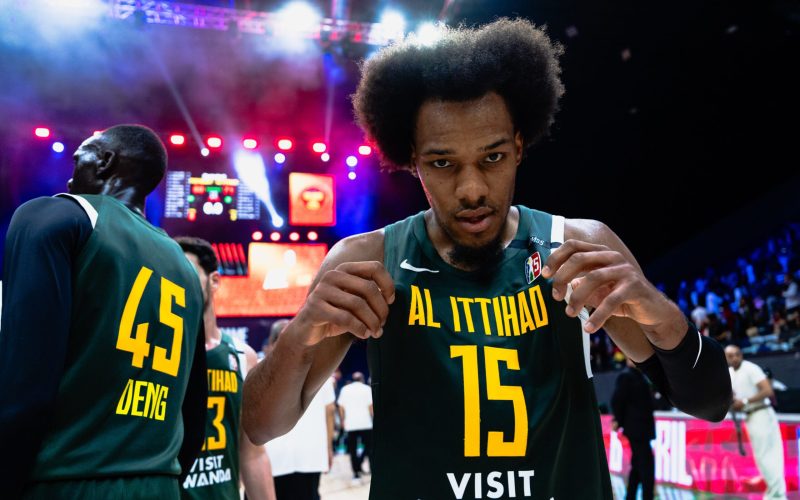
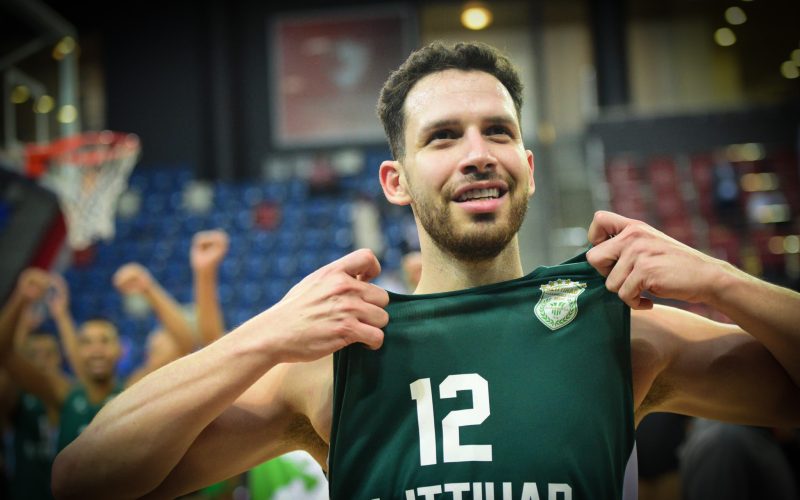
Youssef Shousha believes that Al Ittihad are ready to fly in Season 5 of the BAL. Pictures: Al Ittihad

Last season, Al Ittihad broke free from its cycle of disappointment. Not only did they reclaim the Egyptian Super League title, but they also secured the cup and the Super Cup, completing a dominant domestic treble. More importantly, the Super League triumph earned them direct qualification to the BAL.

For Shousha and the team, winning the league championship fulfilled a dream that once seemed out of reach. “Finally, last year, we were able to win the Cup, the League, and the Super Cup. We qualified for the BAL and if we win it we make it to the Intercontinental Cup. It’s a dream for us. That’s how hungry and excited we are for it,” said Shousha.

Clinching the BAL Spot: A Story of Grit

Shousha had to put his body on the line to help Al Ittihad secure its BAL ticket. The hard-fought four-game (3-1) series victory over Al Ahly saw Shousha fracture his nose in Game 2 and suffer a broken toe in Game 3, leading him to sit out the next game. His teammates rallied around him, promising to secure the championship and avoid a Game 5.  

“It was a huge boost for the team as a whole. They told me they were going to bring home the championship. It was a fantastic moment to see the team playing for me in Game 4. They did not want the series to go to Game 5. We got the job done… They kept their word,” said Shousha

Al Ittihad’s BAL Debut: Anticipation and Preparation

Al Ittihad will compete in the BAL’s Kalahari Conference in Morocco (5-13 April). However, the club is not merely satisfied with participating; they are determined to win and advance to the Intercontinental Cup. This ambition drives every aspect of their preparation.

“We’ve been looking forward to this moment for a long time. We’ve been watching the BAL, and we’ve wanted to be part of this for years,” Shousha expressed, highlighting the club’s strong desire to compete at the highest level. He elaborated on the team’s vision. “We want to experience the full spectrum of the BAL and the Intercontinental Cup. We want it all,” said Shousha. “We’re energised and ready for this. We’ve been hungry for this for two or three years. Our players and the entire organisation are prepared.”


View this post on Instagram


A post shared by Youssef Shousha (@youssefshousha)

A robust defensive strategy is central to their game plan. It’s a strategy that led to the domestic league title last year. This focus, championed by Coach Ahmed Omar, remains fundamental to the team’s identity.  

“What is really unique about us is that we have a very good defensive team. That’s what helped us win the league in Egypt last year, as we were able to hold all our opponents to an average of 65-70 points per game, which is a commendable average. Defense is our focus,” said Shousha. “We have the same coach, who will ensure that we are solid defensively, providing the foundational aspects of our game. That’s our strength.”

The BAL season is fast approaching, and Al Ittihad has begun integrating new signings into the squad. Team cohesion is key despite a limited pre-season period.

“It’s a very short time before the season. We are preparing and accommodating our new players to ensure we become a strong team,” Shousha noted.

South Sudanese acquisitions and stars Majok Deng and Jo Lual-Acuil Jr. bring valuable BAL experience from their time with last season’s surprise finalists, Libya’s Al Ahly Benghazi. Lual-Acuil averaged 21.1 points, 9.7 rebounds, and 1.6 blocks in his BAL debut season – he would cap it off by winning the MVP and Defensive Player of the Year awards. If Lual-Acuil can match or exceed his past performances, then Ittihad will be poised for a maiden continental trophy.

Youssef Shousha playing for
Youssef Shousha hopes to add the BAL trophy to his list of titles.

Deng averaged 15 points, 7.1 rebounds, and 1.7 assists in the BAL and represented South Sudan at the 2024 Paris Olympics. The forward comes with championship credentials to Al Ittihad – winning the 2024 NBL title with Australia’s Tasmania JackJumpers.

An enthusiastic Shousha praised the signing of Deng and Majok. “We are very excited! We’ve been following them since the last BAL season… I think they are exceptional players who will significantly enhance our team… They share our mentality and are solid defensively, which will allow them to fit into the team rapidly,” said Shousha.

Looking Ahead: Goals and Expectations

As the countdown to the BAL continues, excitement will build among Al Ittihad’s fans and players. Like their rivals, they will cherish the experience of being there. As an ambitious team, they also aspire to taste the same glory that Zamalek and Al Ahly have enjoyed. For Shousha, he’ll remember the punishment his body took and the promise made and kept by his teammates last season, how it led to a once-distant prize, and how it now fuels the Masters of the City’s renewed ambition.

Shousha dreams of BAL glory and the Intercontinental Cup Read More »

Mali and Diarra face uphill battle to qualify for AfroBasket

THE final window of the 2025 Men’s AfroBasket qualifiers will have begun on Friday, and Mali enters this phase with significant pressure to win every game. The Sahel nation is up against some of the continent’s toughest teams: South Sudan, ranked No.1 in Africa; the Democratic Republic of the Congo, undefeated in the previous qualifying window; and Morocco, always a formidable contender.

Fifteen spots are up for grabs for the tournament in Angola (12-24 August), and the stakes have never been higher.

In an interview with The Big Tip Off, floor general Cartier Diarra, a recent addition to the team, discusses the energy within the squad, his role in the revamped roster, and the team’s strategy for the upcoming qualifiers. The 27-year-old also hinted at a potential return to Stade Malien, where he showcased his skills during the Road to BAL.

Mali Team Cartier Diarra
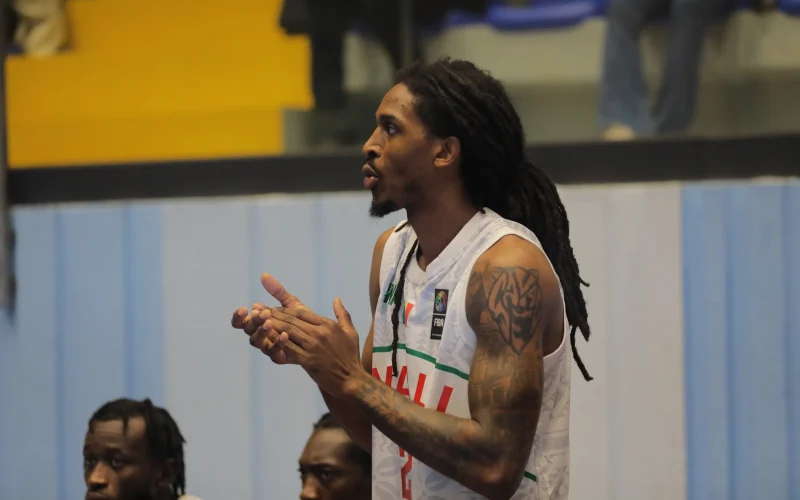
Mali and Cartier Diarra, bottom row third from left, have to make their games count in the final window of the AfroBasket. Picture: FIBA

Diarra, currently on the books of Spanish Segunda FEB club Teknei Bizkaia Zornotza, is known for his pass-first mentality and ability to shift momentum with his scoring. His recent stint with Stade Malien, where he averaged 8.5 points, 5.2 rebounds, and 3.8 assists, enhanced his capacity to facilitate play while also creating scoring opportunities for himself.

A key roster addition: Cartier Diarra

Reflecting on how his recent experiences prepared him for the qualifiers, Diarra says building a bond with teammates has given him insight into how they play. “In preparation, it made me more connected with the guys. I’m playing with a good number of them right now, and I understand their games better – knowing where they like to catch the ball,” said Diarra. “The assistant coach here, Boubacar Kanoute, was the head coach of the Stade Malien team. So just having that familiarity helps because he knows me. A lot of playing time depends on the coaches trusting you.”

A winning mindset and strategic blueprint

Diarra’s commitment to winning is evident. “I’m just here to do my job, which is to influence winning in any way I can. That’s my approach, to show consistency and demonstrate that we can win,” said Diarra. Although another victory against Morocco would greatly aid their qualification, Diarra emphasised that winning the first game is essential. “Winning the first game is crucial because Congo didn’t lose a game in the last window,” said Diarra. “The key will definitely be fewer turnovers, better spacing, more shots, and playing together. It’s about ensuring we get the best available shot each time.”

Diarra also highlighted the importance of playing with confidence and trust in their game. “We have a different squad in comparison to the last window, and I believe everyone here wants to win every game. They all believe that we can execute,” said Diarra.

A unified, unyielding spirit

Mali set a positive tone for the upcoming matches by securing a victory over Gabon in a practice game. Diarra stated, “The energy is great. Everybody’s super focused.” He also noted that the team’s leadership had instilled a strong sense of purpose even before they arrived in Rabat: “The captains have reminded everyone how important these games are, making it clear that we are here to win every game – not just to qualify, but to dominate this window. We’re not satisfied with merely qualifying; we want to prove to ourselves and the world that Mali is a team to watch.”

The road ahead

With the final qualifying window now underway, every game is critical for Mali. The rematch against DR Congo presents an opportunity to set the right tone, while a victory over Morocco could provide the momentum needed for qualification. The revamped roster, featuring strategic additions and an emphasis on consistency, signifies a promising shift in the team’s approach.

As Mali embarks on these decisive matchups, all eyes will be on their ability to execute the refined strategy. The coming days will reveal whether these changes, combined with a renewed mindset, can help Mali turn past setbacks into a new era of success on the African basketball stage.

Stade Malien and Cartier Diarra
Cartier Diarra has hinted at a possible return to Stade Malien for the BAL.

Looking to the future: BAL and Stade Malien

While focusing on securing a spot in AfroBasket, Diarra has another eye on the future, specifically, the Basketball Africa League (BAL). He is considering a return to Stade Malien for the league’s fifth season.  “I would love to return, and if everything aligns, you’ll see me with them,” said Diarra.

Although his immediate focus is on the qualifiers, Diarra is preparing for the next phase of his career. “I’m with a club right now, so it’s going to come down to that and being able to transition and get ready for the BAL,” he explained. Diarra also discussed the evolution of the BAL, particularly the caravan-style format, which involves teams travelling to multiple locations and playing between 6-10 games, depending on playoff progression. He believes having more games will enhance the league’s credibility and provide a better evaluation of players. “More games make the league more credible, when you play 30-plus games, that’s when people can evaluate you,” Diarra stated.

Diarra has a full plate of basketball and the first portion to bite on is helping Mali secure their place at AfroBasket 2025 and proving that the team can rise to new heights.

  • At the time of publishing, Mali lost (66-59) their first game of the final AfroBasket qualifying window on Friday to the Democratic Republic of Congo.

Mali and Diarra face uphill battle to qualify for AfroBasket Read More »

Heavyweights to do battle in Group B of the Elite 16

GROUP B in the 2025 Elite 16 Division East promises an intense battle as Matero Magic, the City Oilers, Urunani, and Fox Basketball Club vie for the two remaining spots in the landmark fifth season of the Basketball Africa League (BAL). With everything on the line, each team must bring their best to ensure they make it to the tournament’s final game and secure their place on Africa’s grandest basketball stage.

While most teams in this group have been battle-tested in the first round, the stakes are higher than ever. Every possession will matter, as the relentless pressure and rising expectations will test their resilience and readiness at every jump ball. This group is poised to deliver thrilling matchups and showcase the competitive spirit of African basketball.

Matero Magic (Zambia)

Matero Magic is one of Zambia’s most successful basketball teams, with 11 national championships. Known for their powerful offensive play and being defensively astute, the team has built a formidable reputation in their domestic competition. During the recent Road to BAL, Matero looked a more organised outfit, which showed in their play on the court.

Matero Magic Elite 16
Can Saul Phiri help lead Matero to a successful Elite 16 campaign? Pictures: FIBA

Recent Performance:

The Tamanga Boys’ flawless 5-0 record in the 2025 Road to BAL qualifiers demonstrated their excellence with notable wins over Costa do Sol and Basket Hounds.

Key Players:

Saul Phiri and Elijah Mukelabai were crucial to Matero’s dominance, with the former leading scoring and the latter adding consistent playmaking. The leadership of veteran Chono Chonga also ensures they have the experience to handle high-pressure moments.

Outlook:

With a perfect qualification record, Matero Magic enters the Elite 16 full of momentum. Their offensive firepower, led by Phiri and Mukelabai, and Chonga’s leadership, positions them as a contender in Group B.

City Oilers (Uganda)

The City Oilers are a powerhouse in Uganda, dominating the National Basketball League with an unmatched winning streak. Over the years, they have become a regular fixture in the BAL Qualifiers. As a team that understands what is required to thrive in the Elite 16, the Oilers will be determined to secure a spot in the BAL.

Recent Performance:

Last season, the City Oilers came second in the Elite 16 Division East and qualified for the prestigious Season 4 of the Basketball Africa League (BAL). Their strong performance throughout the campaign showed their competitive edge, and this qualification has fueled their hunger to go further this year. With a renewed focus, the Oilers are eager to build on last year’s success and continue making a statement on the continental stage.

Key Players:

Israel Otobo, a standout in the 2023-24 BAL Qualifiers for Burundi’s Dynamo, will reinforce the Oilers’ frontcourt. His rebounding dominance and scoring efficiency (14.0 points and 13.1 rebounds per game) will be crucial. Perry Petty is a seasoned point guard capable of controlling the game and providing vital leadership. Falando Jones, a proven two-way threat, adds depth to the team with his scoring and defensive abilities.

Falando Jones Elite 16
Falando Jones’ experience can benefit City Oilers in a difficult Elite 16 Group.

Outlook:

With their strong track record and success in last year’s Elite 16, the City Oilers are poised for another compelling campaign. Key additions like Otobo complement the experience of stars like Petty and Jones, giving them the balance needed to compete at a high level. A strong campaign could secure their place in the BAL’s fifth season and cement their reputation as one of East Africa’s premier basketball teams.

Urunani (Burundi)

Burundi’s Urunani BBC has quickly gained recognition in BAL qualifiers with their high-energy, physical play. Known for their dominance in the paint and second-chance opportunities, their stacked roster combines experienced players and rising stars, making them formidable. Competing in the Viva Basketball League (VBL), which has drawn top talent from across Africa, Urunani benefits from a highly competitive domestic platform that enhances its edge on the continental stage.

Recent Performance:

Their qualification for the Elite 16 shows their progression and increasing competitiveness. Urunani has focused on blending local talent with international experience, establishing themselves as a team capable of upending more established sides. Their performances in the Road to BAL demonstrated strong team chemistry and determination.

Key Players: Jean-Jacques Boissy

Jean-Jacques Boissy has proven to be a pivotal player for Urunani, showcasing his clutch leadership and playmaking ability under pressure. His knack for pouncing on second-chance opportunities and crashing the glass helped keep Urunani in contention during scoring struggles, indicating his value to the team’s success.

Jean Jacques Boissy Elite 16
Jean Jacques Boissy’s scoring will make the difference for Urunani in the Elite 16.

Outlook:

Their rebounding, particularly on the offensive glass, allows them to control the tempo and gain second-chance points, making them a challenging opponent. For Urunani to excel, they must improve shooting efficiency and sustain defensive intensity in tight games. With key contributions from the arsenal of players they possess, Urunani’s depth and physical edge position them as strong contenders for a deep run in the BAL qualifiers.

Fox Basketball Club (South Sudan)

Fox Basketball Club is new on the continental scene with a fast-paced and dynamic style of play. The South Sudan club has experienced players and exciting young talents – contributing to their rapid ascent in continental basketball.

Recent Performance:

Fox Basketball Club’s performance in the 2025 Road to BAL qualifiers was impressive, highlighted by a dominant 89-60 win over Basket Hounds. The team’s balanced offence, strong defence, and depth across positions were key to their qualification for the Elite 16. They demonstrated efficient shooting and superior rebounding, which will serve them well in this tougher stage.

Fox Basketball Elite 16
Fox Basketball Club will try upset the form book in a tough Group B.

Key Players:

Stephen Garbrah has been a leader in scoring, while Makuei Puondak’s presence inside and Aluk Lual Adub’s all-around play have made Fox a formidable opponent. The sharpshooting ability of Gob Makuac and the rebounding strength of Mayom Garang has added more dimensions to their already competitive team.


Outlook:

With their aggressive playing style and a team built around strong contributors at every position, Fox Basketball Club is a team that will push the pace in Group B. They possess the depth and versatility to challenge any opponent and make a serious run at a spot in the BAL.

Heavyweights to do battle in Group B of the Elite 16 Read More »

New kids on the block to fight for supremecy in Group A

GROUP A of the Basketball Africa League (BAL) Elite 16 sets the stage for a thrilling showdown as Nairobi City Thunder (Kenya), MBB (South Africa), Bravehearts Basketball Club (Malawi), and Kriol Star Basketball Club (Cape Verde) battle for a spot in the landmark fifth season of the BAL.

All four teams have one thing in common – they will experience the Elite 16 for the first time. So, the teams will aim to have a memorable debut at this level of The Road To BAL.

Nairobi City Thunder (Kenya)

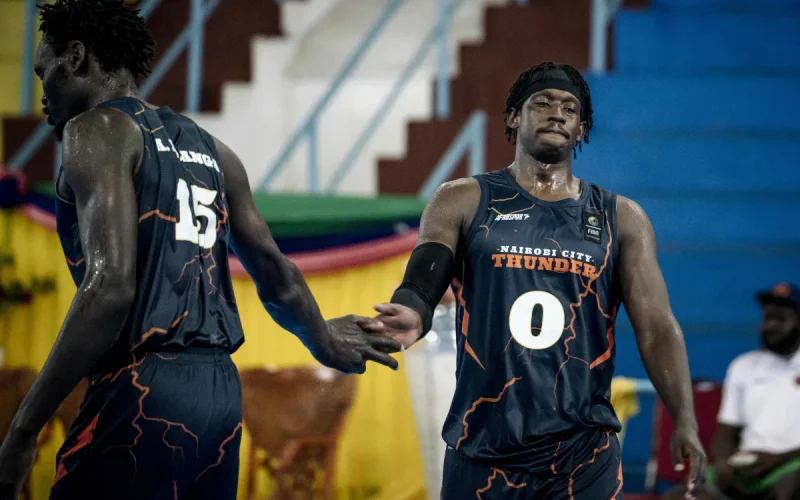
Founded in 1998 and became Nairobi City Thunder in 2010, the team from the Kenya capital rapidly established itself as one of the East African nation’s premier basketball clubs. They came to the Road To BAL after winning their domestic league with an unbeaten record.

Path to the Elite 16

The Thunder qualified for the Elite 16 by delivering a dominant performance in the BAL qualifiers, showcasing a blend of international talent and experienced leadership. With several key additions to their roster, they enter the competition as one of the favourites in Group A.

Tylor Ongwae ahead of Elite 16
Nairobi City Thunder player Tylor Ongwae has a versatility that can help the host club’s Elite 16 ambition. Pictures: FIBA

Key Players to Watch

Tylor Ongwae is a versatile defender and vocal leader who will be essential in shutting down opposing players due to his ability to guard multiple positions. Derrick Ogechi is a dynamic offensive player with the skill to break through defences and create scoring opportunities, making him a vital part of the Thunder’s offensive strategy.

Additionally, Abdoulaye Harouna and Ater Majok bring significant experience and physicality to the team. Majok excels in rebounding and shot-blocking, while Harouna enhances the defence and leadership, adding depth to an already strong roster.

Outlook

With a balanced roster and the advantage of playing at home, Nairobi City Thunder can dominate Group A. Their success will depend on their defensive performance and ability to execute under pressure. Maintaining consistency throughout the competition will be crucial to their success.

MBB (South Africa)

Founded in 2020, MBB is a relatively new basketball club that has quickly risen to prominence in South Africa. Following the Cape Town Tigers’ withdrawal from the domestic competition in South Africa, MBB seized the opportunity to represent the country on the continental stage.

Path to the Elite 16

MBB earned their place in the Elite 16 by winning the 2024 South African National Club Championship. Their success can be attributed to their strong cohesion, as they primarily rely on local talent, with a few experienced players providing leadership and tactical insight.

Key Players to Watch

Neo Mothiba, a seasoned veteran, brings essential leadership, scoring, and stability to MBB. With his wealth of experience in high-pressure situations, Mothiba is an invaluable asset in Group A of the competition. His ability to remain composed and make critical decisions under pressure will be crucial for the team’s performance.

Lebesa Selepe, a former player for the Cape Town Tigers, adds another layer of depth to MBB’s roster, bringing with him valuable experience from his time in the Basketball Africa League (BAL) and a deep understanding of the tactical nuances required at this level of competition. His insight into the strategies of top-tier teams will be instrumental in shaping MBB’s approach.


View this post on Instagram


A post shared by MBB Blue Soldiers (@mbb_basketball)

Outlook

As newcomers to the Elite 16, MBB faces a steep learning curve, but their chemistry and disciplined play could surprise more experienced teams. Their teamwork and resilience will be essential as they compete against some of the best clubs on the continent.

Kriol Star Basketball Club (Cape Verde)

Cape Verde’s Kriol Star Basketball Club surprisingly earned a wild card entry to the Elite 16. They had a 0-2 record in the Division West preliminary qualifiers, and they will hope for a better showing in Kenya.

Path to the Elite 16

Early strong performances showcased their abilities, but losses to top teams like Stade Malien and Al Ahli Tripoli ended their interest in the competition. Nonetheless, the team’s wild card entry presents an opportunity to prove themselves.

Key Players to Watch

Dieudonne Ndayisaba Ndizeye, a standout player for Kriol Star, brings exceptional athleticism and defensive skills, making him a vital contributor, especially in rebounding and disrupting opposing offences. Kclejuan Brown’s presence in the paint and ability to control the boards are crucial to Kriol Star’s defensive strength, though improving his shooting efficiency will be critical.

De Angelo Stewart, a versatile scorer, can light up the scoreboard, but consistency in his shooting will be essential for the team’s success. Abdelali Lahrichi, as the playmaker, provides vital vision and passing to maintain Kriol Star’s offensive rhythm, though he must focus on reducing his turnover rate to avoid costly mistakes.

Abdelali Lahrichi of Kriol Star Elite 16
Can Abdelali Lahrichi make Kriol Star’s second chance count in the Elite 16?

What the stats say

Shooting Efficiency: Kriol Star struggled with shooting accuracy during the qualifiers, posting a field goal percentage of only 37.3% against Stade Malien and 38.2% against Al Ahli Tripoli.

Turnovers: The team faced challenges with ball security, committing 18 turnovers against Stade Malien and 19 against Al Ahli Tripoli.

Interior Defense: Kriol Star allowed opponents to score heavily in the paint – particularly during their losses to Stade Malien, they surrendered 42 points inside.

Outlook

To succeed in the Elite 16, Kriol Star must strengthen its transition defence, limit turnovers, and improve shooting efficiency if they are to emerge from these qualifiers.

Bravehearts Basketball Club (Malawi)

Malawian club Bravehearts Basketball Club has rapidly established itself as one of the leading clubs in the country. Founded in 2015, the club has achieved significant success in national and regional competitions. Their historic qualification for the Elite 16 in the Basketball Africa League (BAL) qualifiers was the stuff of dreams. This accomplishment marks a significant milestone for Malawian basketball.

Path to the Elite 16

Entering the qualifiers with only eight registered players, Bravehearts defied expectations. They overcame early setbacks to secure their spot in the Elite 16. Their resilience was particularly evident in their thrilling 73-71 victory over Costa do Sol in the preliminary qualifiers and indicative of a team that can handle pressure.

Key Players to Watch

Harrison Banda is the beat of Bravehearts. His leadership and experience are invaluable to the team. Standing at just 6ft7, Banda defies expectations on the court, particularly with his impressive scoring and rebounding abilities. His standout performance against Costa do Sol – scoring 16 points and 13 rebounds – highlights his exceptional two-way capabilities and ability to outwork taller players. Banda’s experience in multiple BAL qualifying campaigns with different teams has sharpened his skills and mental fortitude, making him a crucial asset in high-stakes situations.

While Banda provides stability, younger players like Faad Billy and Ian Limbe were key contributors. Billy showcased his versatility against Costa do Sol, contributing 17 points, nine rebounds, and five assists, while Limbe added a much-needed scoring boost with 15 points.

Ian Limbe ahead of 16
Ian Limbe is one of the key factors in Bravehearts’ progress to the Elite 16.

Outlook

Bravehearts has demonstrated they can compete at a high level despite facing challenges. With a limited rotation and a lack of depth, their focus will be on maintaining energy, teamwork, and resilience. They will rely on their strong defence and the ability to execute under pressure, which has been central to their success.

Conclusion

Group A is set to deliver thrilling matchups, with every team possessing the potential to shake up the competition. Nairobi City Thunder will look to dominate on home soil, while MBB aims to prove themselves in continental basketball. Kriol Star will fight to overcome their previous struggles, while Bravehearts, with their resilience and heart, will continue to defy expectations. This group is poised for an exciting and unpredictable run to the BAL playoffs.

New kids on the block to fight for supremecy in Group A Read More »

Preview of Road To BAL Elite 16 Group B Division West

THE Elite 16 will feature an exciting mix of emerging talents and seasoned players. Clubs like Al Ahli Tripoli, Kadji Sport, Mighty Barrolle Basketball Club, and Spintex Knights will embark on their first journeys in the Elite 16.

Group B presents a unique opportunity for these clubs to write a new chapter in their histories as they compete for glory on the continental stage. With only two spots on offer to the BAL, these teams cannot afford rookie jitters or missteps. Each team must bring their A-game, knowing that only the top two teams in the group will advance.

These clubs exemplify the spirit of resilience and competitive fire that defines African basketball. The excitement surrounding their debut is palpable, as fans and players alike look forward to thrilling matchups and unforgettable moments.

Al Ahli Tripoli

Al Ahli SC, commonly known as Al Ahli Tripoli, is one of the most prestigious clubs in Libyan basketball. Founded in 1950, they have an impressive record boasting eight Libyan Basketball League titles, four Libyan Cups, and two Super Cups. They have established themselves as a dominant force in their national league. After their unbeaten 2-0 run in the Road To BAL group phase, the Tripoli-based club will debut in the Elite 16.

Key Players

A key player for Al Ahli Tripoli is Michael Eric, whose impressive height (6’11) makes him a formidable presence in the paint. He averaged 18 points per game and boasted an impressive shooting percentage of 83.3% from the field, highlighting his efficiency and scoring ability. Eric’s contributions go beyond scoring – he also averaged seven rebounds and a block per game, solidifying his role as a defensive anchor for the team. Another important player is Mohamed Sadi, a talented shooting guard known for his long-range scoring ability. He averages 12.5 points per game, and his scoring talent adds significant offensive depth to the team.

Mohamed Sadi
Mohamed Sadi is the sharp point of Al Ahli’s offence Pictures: FIBA

Tactical Approach

Al Ahli Tripoli’s tactical game plan utilises Eric’s size and skill set to dominate the paint. The strategy emphasises strong ball movement to create open shot opportunities. It also prioritises efficient transition play. On the defensive end, the team can shut down opponents’ offensive schemes. They leverage their size and athleticism to secure rebounds and initiate fast breaks, allowing them to capitalise on their opponent’s mistakes.

Outlook

As Al Ahli Tripoli prepares to compete in The Elite 16, they do so with high expectations, especially following the impressive debut of fellow Libyan team Al Ahly Benghazi. With a blend of experienced players and emerging talent, they are well-positioned for a strong performance in the Elite 16.

Kadji Sport

Kadji Sport, hailing from Douala, Cameroon, has quickly established itself as a force. With a strong emphasis on player development, the club has nurtured numerous talented athletes. As they prepare for their debut in the Elite 16, Kadji Sport aims to make a mark among Africa’s top basketball clubs, striving to transfer their domestic success to the continental stage.

Key Players

Kenneth Kadji is a standout player for the club. He is versatile and has extensive experience in various international leagues. He is a skilled scorer and a big-time rebounder, and his defence makes him a key asset to the team. Another crucial player is Junior Mbeutcha, known for his explosive athleticism and impressive scoring ability. His contributions on both offence and defence are vital to the team’s success. Additionally, Tanguy Le Goff offers strong defensive capabilities, particularly in shot-blocking, which helps maintain a solid defensive presence for the team.

Tactical Approach

Kadji Sport emphasises a fast-paced and dynamic style of play, aiming to capitalise on transition opportunities whenever possible. Their offensive strategy focuses on spreading the floor and utilising Kadji’s unique skill set to create mismatches against defenders. Defensively, the team prioritises pressure and quick rotations to disrupt their opponents’ offensive flow, aiming to force turnovers and generate fast-break opportunities.

Kenneth Kadji
Kenneth Kadji’s is going to be key for Kadji Sport.

Outlook

As they enter the BAL Elite 16, Kadji Sport combines youth and experience, which could be advantageous in high-pressure situations, but more experienced opponents will test them. Kadji Sport is determined to showcase Cameroonian basketball on the continental stage.

Mighty Barrolle Basketball Club

Mighty Barrolle Basketball Club, founded in Monrovia, Liberia, has a history spanning several decades. As one of the premier basketball clubs in the country, they have won four national championships, with their most recent victories occurring in 2016, 2022, 2023, and 2024. Now, as they prepare for their debut in Elite 16, Mighty Barrolle aims for an upset or two.

Key Players

Omar Samba has become a crucial player for Mighty Barrolle, averaging 16 points, 10 rebounds, and 3.5 assists per game. His versatility on the court enables him to impact the game in various ways, establishing him as a leader for the team. Chibuzo Joseph Njoku is a factor, consistently providing scoring and rebounding, which are vital as the team faces stiff competition. Their combined performances will be essential for navigating the challenges of the Elite 16.

Tactical Approach

Mighty Barrolle’s strategy focuses on a strong defence and effective rebounding as essential components of their game. They strive to control the tempo by transitioning quickly from defence to offence and taking advantage of their opponent’s mistakes. The team’s defensive approach features disciplined rotations and aggressive rebounding – vital for initiating fast breaks and exploiting mismatches during transitions.

Omar Samba in the Road To BAL
Omar Samba is the go-to guy for Mighty Barrolle.

Outlook

For the Elite 16 debut, Mighty Barrolle brings the momentum of recent national successes. They will encounter tough opponents, but the leadership of Samba and Njoku could be the difference. The club is committed to showcasing Liberian basketball on a larger stage and aims to leave a lasting impression in its inaugural appearance.

Spintex Knights

The Spintex Knights, known as “The Nobles,” is an emerging force in Ghanaian basketball. In their sixth year, Spintex has achieved significant milestones, including winning the Accra Basketball League (ABL) Division 1 title in 2023 with an impressive undefeated record of 22-0. As they prepare for their debut in the Elite 16, the Knights are eager to showcase their talent and competitive spirit at a continental level.

Key Players

James Amotoe has emerged as the leader for the Spintex Knights, averaging an impressive 25.7 points per game. His ability to score from various positions on the court makes him an invaluable asset to the team. They will rely on their depth which offers multiple scoring options and contributes to a balanced offensive strategy.

James Amotoe in action
James Amotoe will try to maintain his form for the Elite 16.

Tactical Approach

The Spintex Knights employ a fast-paced playing style, using their speed and agility to generate scoring opportunities. They are particularly effective in transition play and prioritise strong perimeter shooting to stretch opposing defences. The team’s tactical approach emphasises solid rebounding to initiate fast breaks, while their defensive strategy relies on effective communication and discipline to minimise easy scoring chances for their opponents.

Outlook

With their recent success in the ABL, the Spintex Knights will enter the Elite 16 with confidence and determination. The combination of young talent and experienced players positions the Spintex Knights to make a significant impact. Knights are in a brilliant position to elevate Ghana’s basketball while writing a new chapter for themselves.

The debuts of the clubs highlight the increasing competitiveness of African basketball. It paves the way for future successes on a larger stage.

Preview of Road To BAL Elite 16 Group B Division West Read More »

Preview of Road To BAL Elite 16 Group A Division West

AS the Road To BAL enters the critical Elite 16 stage, Group A is gearing up for an exhilarating showdown. The stakes couldn’t be higher, with two coveted spots in the fifth season of the BAL on the line. Moanda Basket, ABC Fighters, Chaux Sport, and Stade Malien each bring a unique blend of talent, ambition, and competitive spirit to this crucial round.

ABC Fighters

The ABC Fighters from Côte d’Ivoire are determined to reclaim their status among Africa’s elite basketball teams. With a legacy of 22 national championships, Fighters are well-versed in high-pressure situations. They will leverage their extensive experience and the support of their home crowd as they aim for a deep run in the Elite 16. After missing out on BAL Season 4, they are eager for redemption and ready to make their mark on the continental stage.

Key Players

Central to the Fighters’ strategy is Nisre Zouzoua, whose offensive skills and leadership on the court are invaluable. Known for his ability to score in bunches, Zouzoua averages 21.2 points per game and is vital in clutch moments. Alongside him (Zouzoua) is the dynamic Karim Mane, who brings a wealth of international experience from his time in the NBA. Mane’s playmaking ability and court vision create numerous scoring opportunities for his teammates. The supporting cast are Jaylen Bland and Jabari Akins Narcis, who add depth and versatility to the lineup.

Tactical Approach

The Fighters pride themselves on a balanced offensive attack, utilising inside and outside scoring. The Ivorian club’s playing style features quick ball movement, exploiting mismatches, and using pick-and-roll situations to create open looks. Defensively, they are disciplined and aggressive, often switching defences to keep opponents guessing. With a solid game plan, the Fighters are well-prepared to face the challenges ahead.

Nisre Zouzoua in Road To BAL action
ABC will count on Nisre Zouzoua’s scoring during the Elite 16 Group A fixtures. Pictures: FIBA

Outlook

Having previously competed in the Elite 16, the ABC Fighters understand the intensity required to succeed. They cannot afford to rest on their laurels; every game is a test, and they must come ready to compete. Playing in their home country during the Elite 16 Division West gives them an added advantage. Their passionate fanbase will undoubtedly boost their confidence. The mix of seasoned veterans and talented newcomers, makes Fighters well-equipped to make a statement in the qualifiers. Fans can expect an exciting and competitive season as they aim for a triumphant return to the BAL.

Moanda Basket

The Gabon club is poised to make an impact as they enter the Elite 16 qualifiers after a wild card gave them a lifeline. After recently winning the 2024 Gabonese Basketball Cup, the team brings a wave of momentum and a renewed spirit to the tournament.

Key Players

At the centre of Moanda’s ambitions is Hermann Junior Boukosso Igouwe, a dynamic guard whose impressive statistics – 17.5 points, 5.3 rebounds, and 4.1 assists per game – highlight his importance to the team. Boukosso Igouwe’s ability to score and facilitate plays will be crucial as he leads his teammates against challenging opponents.

Alongside Boukosso Igouwe, Moanda boasts a diverse roster of players ready to step up when needed. The combination of offensive skills and defensive strength will be essential as they navigate the demanding environment of the Elite 16.

Tactical Approach

Moanda is recognised for its up-tempo style of play, leveraging speed and agility to create scoring opportunities. The coaching staff emphasises ball movement and teamwork, ensuring that multiple players contribute offensively. Defensively, they focus on applying pressure and forcing turnovers, aiming to capitalise on fast-break opportunities. As newcomers to the Road To BAL, every game presents a learning experience and will be challenging.

Hermann Boukosso in action
Can Hermann Boukosso and Moanda make the most of their wild card entry to the Elite 16.

Outlook

If they can harness their scoring abilities, maintain defensive discipline, and cultivate teamwork, Moanda has the potential to surprise many in their inaugural season. As they enter the continental stage, the spotlight will be on The Gabonese Champions as they strive to establish themselves in African basketball history.

Chaux Sport

Chaux Sport has emerged as a surprising contender in the Road to BAL qualifiers, holding an undefeated record in their qualifying matches. Their confidence is soaring, and they are eager to show that their success is no fluke.

Key Players

The success of Chaux Sport involves the dynamic trio of Franck Nyembo, Etienne Tametong Toko, and Pitchou Kambuy Manga. Nyembo, known for his scoring ability and tenacity, averages 19.4 points per game, making him a central figure in their offensive strategy. Toko’s defensive skills and rebounding capabilities provide a strong presence in the paint, while Manga’s versatility enables him to contribute effectively on both ends of the floor. Together, they form a formidable core that can challenge any opponent.

Tactical Approach

Chaux Sport employs a high-pressure defensive strategy that disrupts opponents and forces turnovers. Their fast-paced offence thrives on quick transitions and perimeter shooting, keeping defences on their toes. They are a team that shares the ball well and has a good chemistry. The coaching staff emphasises adaptability, preparing players to adjust their tactics based on their competition.

Etienne Tametong in Road To BAL action
Chaux Sport will tap into Etienne Tametong’s experience to get through the Elite 16.

Outlook

With a good start to their campaign, Chaux Sport is eager to maintain its winning momentum. The competition will intensify in the Elite 16, but their undefeated record instils confidence. If they can keep their focus and execution, we can expect Chaux Sport to be a formidable contender in their group, aiming for a deep run in the tournament.

Stade Malien

Stade Malien, one of the most storied clubs in Mali’s basketball history, brings a wealth of experience to the Road To BAL qualifiers. Founded in 1960, they are a dominant force in the domestic league – boasting 19 Ligue 1 titles and 25 Malian Cups. Malien had a great BAL Season 3, finishing third.

Key Players

Mahamane Coulibaly has emerged as a standout player for Stade Malien, making a significant impact during his first appearance in the Road to BAL. He leads the team in scoring with an impressive average of 18.0 points per game and contributes substantially on the boards with an average of 6.5 rebounds. His high-tempo play and exceptional court vision make him a driving force in Stade Malien’s fast-paced offensive strategies. Coulibaly’s ability to score and facilitate will be crucial in high-stakes matchups, where maintaining offensive momentum is essential.

Mohamed Pare is a seasoned 6’6″ forward is another additional weapon. After returning from their Season 3 BAL campaign, Pare has shown notable improvement. He is averaging 6.5 points and leading the team with 9.5 rebounds. His defensive capabilities, demonstrated by an efficiency rating of 12.5, make him a key asset for Stade Maliens. His rebounding and physical presence in the paint is invaluable.

Tactical Approach

Stade Malien’s roster combines speed and strength, excelling in fast-break execution while dominating inside the paint. Their ability to convert defensive stops into quick offensive points keeps opponents on their toes. The team transitions seamlessly up the court during fast breaks. They can also turn rebounds and steals into immediate scoring opportunities.

Pare Mahomed
Pare Mahomed has developed into a formidable player for Stade Malien.

Outlook

The combination of fast-break efficiency and control of the paint, positions Stade Malien as a formidable contender in the Elite 16. These elements will be crucial as they navigate this phase of the Road To BAL.

Fans can look forward to mouth-watering battles from Group A.

Preview of Road To BAL Elite 16 Group A Division West Read More »

Affi and renewed ABC Fighters locked in for Road To BAL

AS anticipation builds toward The Road to BAL Elite 16, the ABC Fighters are gearing up for a comeback with renewed vigour. Being one of Côte d’Ivoire’s most celebrated teams, their legacy is marked by excellence, underscored by 22 national championships and a continental victory in the old FIBA Africa Champions Cup.

However, in recent times, the path to continental glory and playing among the best has been challenging. With their disappointing performance in The Road to BAL 2024 and subsequent absence from Season 4 of the BAL, the Fighters had to adopt a new mindset. Reinvention was the new mantra – leading to a dedication of time and resources to refining their strategies and tackling the issues that held them back.

In an interview with The Big Tip Off, coach Anderson Affi, who took over from Milutin Nikoli, discusses the ABC Fighters’ journey to the Elite 16, Division West (5-10 November). He emphasizes the critical role of Côte d’Ivoire’s Ligue d’Or played in their development. The lessons learnt from past experiences, the revitalized preparation and adjustments, and the importance of fan support in their quest for success on the African basketball stage.

The Role of Côte d’Ivoire’s Ligue d’Or in ABC Fighters’ Journey

Competing in the Ligue d’Or (formerly the Ivorian Basketball Championship) has been crucial to the ABC Fighters’ success. The most decorated team in domestic history, they have dominated and elevated the league’s standard. Affi highlighted how the league’s quality has improved with the influence of the BAL. “Our national league is of an average level within the sub-region, but with the BAL’s influence, the competition is gradually becoming more professional,” said Koffi

This progress has not gone unnoticed – it has shaped the ABC Fighters into a team well-prepared to face their opposition in continental play. The influx of foreign talent and increased investment have heightened the league’s competitiveness, pushing local players to rise to new challenges.

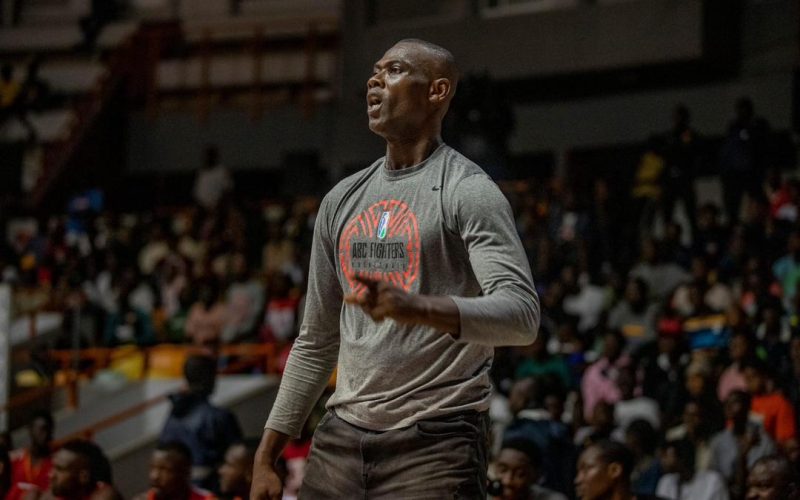
Anderson Affi
Anderson Affi says Ligue d’Or has improved the quality of Cote d’Ivoire’s domestic game. Pictures: Supplied

Transitioning from Domestic to Continental Competitions

The transition from the familiarity of Ligue d’Or to the elite competition of The Road to BAL presents unique challenges. Coach Affi emphasizes that competing on the continental stage requires heightened adaptability and intensity, both on and off the court. “Our biggest challenge is to prove that our high ranking in African basketball is well-deserved,” he noted.

Affi understands that overcoming these challenges necessitates significant financial investment and strategic planning to meet the demands of continental play. “To succeed in the Road To BAL, you must invest a lot of money to ensure proper preparation, and you need to recruit the best players,” he states. “When the team is well-prepared with quality players, everything else becomes easier.”

Challenges and Lessons from Missing Out on BAL Season 4

After their performance in Season 3 of the BAL, where they lost 88-84 to Angola’s Petro de Luanda in the quarterfinals, the ABC Fighters qualified directly for the Elite 16 per league rules. However, this proved disadvantageous, as they entered the Elite 16 without assessing the true level of competition in the continental league and finished with a 1-2 record, missing out on a spot in Season 4 of the BAL.

Reflecting on this missed opportunity, Coach Affi shares insights into the factors that stifled the ABC Fighters. “We qualified directly for the Elite 16 last season. Unfortunately, we did not prepare well. It was clear that we lacked teamwork and cohesion. Our automatisms were non-existent, and our defence was too lax,” said Affi. Late roster setups and limited training time compromised team cohesion and defensive strength, preventing the Fighters from competing at their full potential. This experience served as a wake-up call, prompting the team to rethink their approach and prioritize early, thorough preparation for the upcoming campaign.


View this post on Instagram


A post shared by ABC Fighters (@abc_fighters)

Revitalized Preparation and Strategic Adjustments

Determined to improve from last season, the ABC Fighters have revamped their strategy for the offseason. This year, they implemented critical changes in their preparation and roster-building, allowing for a comprehensive preseason where players could establish teamwork and communication. “We started our regroupings and training earlier. Our foreign players arrived earlier, which allowed us to focus on teamwork and cohesion,” noted Affi.

A notable new addition to the roster is Karim Mané, a former NBA player whose experience brings invaluable depth to the team. “He brings his experience from the NBA environment, which is invaluable for our team,” Coach Affi emphasized, highlighting Mané’s positive impact on morale and team dynamics.

This renewed approach has already yielded positive results, as the Fighters completed the West Division games in Libya undefeated. ABC showcased their strength throughout their three group matches – ending their campaign in Libya with a 94-66 victory over Benin’s Elan Coton. Despite this success, Coach Affi stresses that their job remains unfinished. “We are currently undefeated, but we must remain cautious because the Elite 16 represents a completely different challenge. It will not resemble the West Division, so we need to approach it with the utmost seriousness,” said Affi.

Anderson Affi of ABC
Anderson Affi says the Elite 16 is a different challenge.

Fan Support and the Quest for Continental Success

While national pride may be an overarching theme for ABC’s continental drive, it is not the sole factor, the value added by their unwavering fans is another key ingredient. The presence of their supporters is a constant reminder of the responsibility they bear as the country’s most decorated team. “Our immediate priority is to qualify for the final stages. The fans are our greatest motivation. We need their support because, without them, the task becomes extremely challenging,” says Affi.

The areas that need improvement have been identified and worked on, thus putting Coach Affi and the ABC Fighters in a position to be successful on the continental stage. With their sights set on Season 5 of The BAL, the ABC Fighters are committed to making Côte d’Ivoire proud and establishing themselves as a powerhouse in African basketball.

Affi and renewed ABC Fighters locked in for Road To BAL Read More »

Harper excited about the growth of basketball in Africa

IN basketball, few figures have left as indelible a mark as Ron Harper. He has had a remarkable career, that includes five NBA championships. Coupled with his championship ring he’s also had the honour of playing alongside legends like Michael Jordan, Shaquille O’Neal, and Kobe Bryant.

Harper’s journey is one of resilience and dedication, and his influence extends beyond the hardwood. In a recent interview with The Big Tip Off, Harper expressed his excitement for the growing basketball scene in Africa. He highlighted the crucial role of youth development programs like the Jr. NBA that nurture the next generation of talent.

Harper’s passion for the game goes beyond personal achievements, it is also reflected in his commitment to empowering young athletes on and off the court.

Ron Harper with Bafokeng King, Leruo Molotlegi and NBA Africa CEO Clare Akamanzi. Pictures: NBA Africa

Harper, the youngest of six children, experienced humble beginnings in Dayton, Ohio. At Kiser High School, he averaged 20.5 points, 13.4 rebounds, five steals, five assists, and six blocked shots per game, which lay the foundation for a standout career.

Reflecting on his journey, Harper noted how the NBA’s development programs in Africa remind him of his early experiences with the game. “When I was at this age, I was just learning how to play. Seeing great players like Julius Erving, Kareem Abdul-Jabbar, and Oscar Robertson gave me a big dream and hope that someday I’d be able to play in the NBA,” he shared during his recent visit to South Africa.


View this post on Instagram


A post shared by clarkifo (@clarkifo)

Programs like the Jr. NBA provide athletes with the same inspiration that Harper once experienced during his formative years as a player. The Royal Bafokeng Jr. NBA program, launched in 2011, has impacted over 100,000 youth. It has helped develop their basketball talent and life skills. What started with a few schools has now expanded to 45 schools, with 118 teams participating across the Royal Bafokeng Nation.

Harper stressed the importance of these programs in shaping young minds and futures, saying, “This is an incredible experience. It doesn’t just teach you basketball but also life skills. If you know how to be a basketball player, you can be a coach or an official… You can do whatever you want if you put your mind to it and work at it.”

The impact of the Jr. NBA extends beyond the basketball court, as evidenced by the success stories of Moratiemang Junior Mmoloke and Brian Ditsheko. Mmoloke, a former RBS coach, joined the Cleveland Cavaliers coaching team during the 2023 NBA Summer League as part of the Africa Coaches Program. Meanwhile, Ditsheko, a RBS Jr. NBA Championship winner in 2018 and 2019 and an NBA Academy Alumni, now serves as a coaching assistant at the Academy. He was also part of the coaching staff for the Houston Rockets in this year’s Summer League. These achievements showcase how Jr. NBA programs help develop future basketball leaders.

Harper had the following advice for young players: “Keep working on your game. Have faith and believe that the work you’re putting in will improve your basketball skills. Hopefully, you will get a chance to pursue your dream.” He believes basketball is more than just about skill development. Elements like personal growth are important too and he urged young athletes to focus on their education while pursuing their basketball dreams.

“Keep working hard, believe in yourself, and get an education. Enjoy playing the game, because the more you play, the better you will become at it,” Harper encouraged.

Harper is aware of the growing enthusiasm for basketball in South Africa. He also believes the sport has a bright future in the country. “I can see that kids in South Africa really love playing – boys and girls. It’s wonderful to see their enthusiasm,” he said. “It’s amazing to see young kids learning and playing the game. There are many talented players here, and if they continue to improve, they will have opportunities to pursue their dreams.”

Ron Harper
Ron Harper says basketball goes beyond players improving their skill level.

For Harper, basketball is a source of joy and self-expression. “There is a love and joy that comes with this game. You can play alone or with friends, and it allows you to express yourself,” he said.

Reflecting on the game’s global evolution, the former Cleveland Cavaliers player believes the sport is in good hands. “The game is always going to evolve and improve. We have great young players now who will make an impact,” he remarked.

Ultimately, the power of basketball lies in its ability to inspire and transform lives. Harper, who realised his dream of playing in the NBA after watching its legends, understands this deeply.

“There’s a love and joy that comes with this game… Basketball gave me the opportunity to express myself. It can do the same for the kids here in South Africa,” Harper concluded. With the support of prominent figures like Harper, and initiatives like the Jr. NBA, the future of basketball in Africa can only be brighter and more promising than ever.

Harper excited about the growth of basketball in Africa Read More »

Sibanyoni’s stock rises after remarkable season in Burundi

NKOSINATHI Sibanyoni’s journey through basketball took an unexpected yet enriching turn when he ventured into the vibrant world of Burundi’s Viva Basketball League (VBL). By joining Urunani BBC in late June, Sibanyoni was part of a cast of star players that took the East African nation’s league by storm.

Leaving behind the confines of South Africa’s basketball, Sibanyoni embraced a new chapter that challenged his athletic prowess – leading to a season of milestones.

In an interview with The Big Tip Off, Sibanyoni discusses navigating the nuances of outdoor play, language barriers, and the unwavering support of local fans. He reflects on how these experiences shaped him into a more well-rounded player.

Embracing the Burundian Spirit

The move to Urunani for Sibanyoni marked a significant chapter in his career, challenging him to adapt to new playing conditions and cultural dynamics. “It was a new era in my career,” said Sibanyoni.

Nkosinathi Sibanyoni (44) says the fans are the heartbeat of the VBL. Pictures: Urunani Basketball Club

Also, the transition from indoor facilities in Johannesburg to the outdoor courts of Burundi presented not just a change in environment but a fresh perspective on the game. The outdoor games, characterized by their physicality and unpredictability, required a level of resilience that pushed him beyond his limits.

One of the advantages of his time in Burundi was the access to practice facilities, which significantly contributed to his growth as a player. Something he expressed gratitude for. “Being here has given me access to a facility where I can simply go and work out. There’s a driver I can call whenever I need. So I feel like it has helped a lot, and my game has improved significantly,” said Sibanyoni.

Adapting to a new culture came with a challenge here and there, including language barriers with his French and Swahili-speaking teammates. Yet, Sibanyoni found solace in the universal language of basketball.

“Basketball has its own language… Whatever I say on the court, my teammates can simply understand,” he remarked.

The Heartbeat of Burundian Basketball

One of the most striking aspects of playing in Burundi has been the overwhelming support from the local fans. The atmosphere during games is electric, filled with chants and songs that resonate with the deep-rooted love for basketball. Sibanyoni noted, “They’re hyped up and they’re there each and every day whenever we are playing. They’re not just there quietly; they’re singing and making a lot of noise.”


View this post on Instagram


A post shared by X Ball Africa (@xballafrica__)

This passion is remarkable, considering the economic challenges many fans face. “You can tell that some people are just struggling, but they can still make it (on game day),” said the South African international.

On the basketball court – Sibanyoni and Urunani had a remarkable season, winning a thrilling seven-game playoff series in the VBL against Dynamo Basketball Club on Sunday.

Just before the playoffs, Sibanyoni showed why he is one of the best board crashers on the continent by setting the in-game rebounding record (23) vs Remesha during the VBL regular season.

“Setting that (rebounding) record was never my aim. But I knew it could happen,” said the 2021 BNLSA MVP. “I am just out here working hard… I am using my God-given talent to leave my mark wherever I play.”

Urunani initially led the series 3-1, and many anticipated they would close it out. Swiftly! In that game four victory, Sibanyoni also delivered a 20-rebound performance. However, Dynamo ensured it would be a final for the ages. Dynamo’s back-to-back victories – an 82-76 win in Game 5 and an impressive 92-84 triumph in Game 6. The later game saw Sibanyoni’s former Cape Town Tigers teammate Samkelo Cele drop 28 points to force a game 7.

As the two teams prepared for this do-or-die Game 7, Sibanyoni reflected on their strategy, saying, “The plan was to win the series 4-0. It’s never happened before (in the VBL) for a team to get swept in the playoffs or the final.”

Along with his first VBL title, Sibanyoni also captured the Defensive Player of The Year Award. Sibanyoni says the DPOY trophy is a testament to his ability to step out of his “comfort zone” and be successful.

“Being the defensive player of the year in the VBL is great. It shows I can play different roles in any team. It was my first time out here and I was able to deliver outside of my comfort zone,” said Sibanyoni.

Nkosinathi Sibanyoni has had an amazing season in Burundi’s VBL.

The Journey Ahead

Sibanyoni’s season in Burundi has come to a memorable close – he is turning his attention to the future. Whether he returns to South Africa for the Road to BAL season or pursues new opportunities, his time in Burundi has shaped him. “It all depends on which offer I get. And which offer I am satisfied with,” he shared. He also expressed his desire to take a break and reconnect with his roots. “I need to be home at least for a week or two.”

Reflecting on his journey, Nkosinathi Sibanyoni embodies the spirit of growth, resilience, and community that defines basketball in Burundi. His experiences highlight his evolution as a player and emphasize the powerful connections that can be forged through sport.

Sibanyoni’s stock rises after remarkable season in Burundi Read More »

All systems go for the U18 Women’s AfroBasket quarter-finals

(PRETORIA) The FIBA U18 Women’s AfroBasket tournament has been captivating audiences with its display of rising talent across Africa. With the quarterfinals on the horizon, the stakes are higher than ever as teams compete for a place in the semifinals. The group stage set the tone with high-scoring performances and notable upsets, leading to an exciting knockout phase.

Recap of Group Stage Results

Top Performers:

Mali: Averaged 94.7 points per game, leading the tournament in offensive output.

Key Player: Oummou Koumare – averages 20.5 points per game, a dominant inside presence.

Egypt: Averaged 90 points per game, showcasing efficient scoring and strong team play.

Key Player: Khadiga Abouelghait – averages 18.2 points per game. She is Egypt’s primary playmaker and scorer.

Cameroon: Averaged 81.7 points per game, demonstrating strong offensive and rebounding capabilities.

Key Player: Damaris Emédie – averages 12.0 rebounds per game. She stands out with her rebounding and control of the paint.

Koumare in action
Oummou Koumare of Mali has been lethal from the three-point line. Pictures: FIBA 

Significant Upsets:

Cameroon: Exceeded expectations with their impressive performances.

Uganda and Tunisia: Both teams showed resilience and are ready to impact the knockout stages despite tough battles.

Team Form and Momentum:

Mali and Egypt also bring solid form with their high-scoring capabilities and competitive edge.

Rwanda and Tunisia must leverage their momentum and seize opportunities to disrupt their experienced opponents.

Key Factors for Quarterfinals:

Managing Fouls: It’s crucial to manage fouls effectively to prevent key players from being sidelined and to maintain defensive intensity.

Capitalizing on Turnovers: Converting turnovers into scoring opportunities will be crucial, particularly in closely matched games.

Second Chance Opportunities: Teams must seize opportunities to impact the game’s outcome.

Breaking Full-Court Presses: Implementing effective strategies to break full-court presses is essential for maintaining offensive flow and reducing turnovers.

Khadigat Abouelagait
Khadigat Abouelghait lead Egypt to a second final in a row.

Quarterfinal Matchups

Nigeria vs. Egypt

Overview: Egypt, with a balanced and all-around strong game, faces Nigeria, who must bring their physicality and athleticism for this clash.

Key Players:

Nigeria: Idubamo Beggi – Averaging 19.7 points per game, a defensive and offensive force.

Egypt: Khadiga Abouelghait – Averaging 18.2 points per game, key playmaker and scorer.

Head-to-Head: Nigeria’s superior defence and rebounding give them an edge.

Key Factors: Nigeria’s ability to force turnovers and control the boards will be crucial in overcoming Egypt.


View this post on Instagram


A post shared by AfrikHoops (@afrikhoops)

Angola vs Cameroon

Overview: Angola faces a challenge against Cameroon, who excelled in rebounding and offensive play.

Key Players:

Angola: Margarida Moniz – averages 17.0 points per game and is a consistent scorer.

Cameroon: Damaris Emédie – averaging 12.0 rebounds per game, dominant in the paint.

Head-to-Head: Cameroon’s rebounding dominance could be a decisive factor.

Key Factors: Angola must limit second-chance opportunities and maintain defensive discipline.

Mali vs. Rwanda

Overview: Mali’s scoring depth and rebounding strength pose a significant challenge for Rwanda.

Key Players:

Mali: Oummou Koumare – Averaging 20.5 points per game, dominant inside presence.

Rwanda: Brigitte Nibishaka – Averaging 15.3 points per game, crucial to Rwanda’s offence.

Head-to-Head: Mali’s strength in the paint and rebounding could be overwhelming for Rwanda.

Key Factors: Rwanda must counter Mali’s size and rebounding advantages while maintaining sharp play at both ends of the court. Managing fouls and capitalizing on second-chance opportunities is paramount.

Damaris Emedie
Damaris Emedia has part of the surprise package, Cameroon’s success.

Tunisia vs Uganda

Overview: Tunisia had a solid group stage performance and will face a competitive Uganda team known for their scoring ability.

Key Players:

Tunisia: Ines Ben Rejeb – averages 16.0 points per game. She is a strong defender and key scorer.

Uganda: Resty Nanangwe – averages 18.0 points per game. She is a dynamic scorer crucial to Uganda’s strategy.

Head-to-Head: Tunisia’s defensive sternness will come head-to-head against Uganda’s offensive adaptability.

Key Factors: The outcome may depend on consistency in offence and minimizing turnovers. Tunisia’s defence will be crucial against Uganda’s scoring threats.

Predictions and Expectations

Cameroon’s rebounding and press might give them an edge over Angola, though the game could be close.

Mali are favourites against Rwanda, with their dominance in the paint and scoring depth likely to be decisive.

The battle between Tunisia and Uganda is expected to be tight, with Tunisia’s defensive consistency possibly giving them a slight advantage. However, Uganda’s dynamic scoring could lead to an upset if they execute their game plan effectively.

Surprises teams

Cameroon and Uganda are potential dark horses. They can upset higher-seeded teams if they manage important aspects of the game, such as turnovers and second-chance opportunities they have the potential to go far in the competition.

The FIBA U18 FIBA Women’s AfroBasket quarter-finals promise intense, high-stakes basketball action. Semifinal spots are on the line, and teams must deliver their best performance. The games will showcase Africa’s brightest young talents as they continue their quest for continental glory.

All systems go for the U18 Women’s AfroBasket quarter-finals Read More »

×