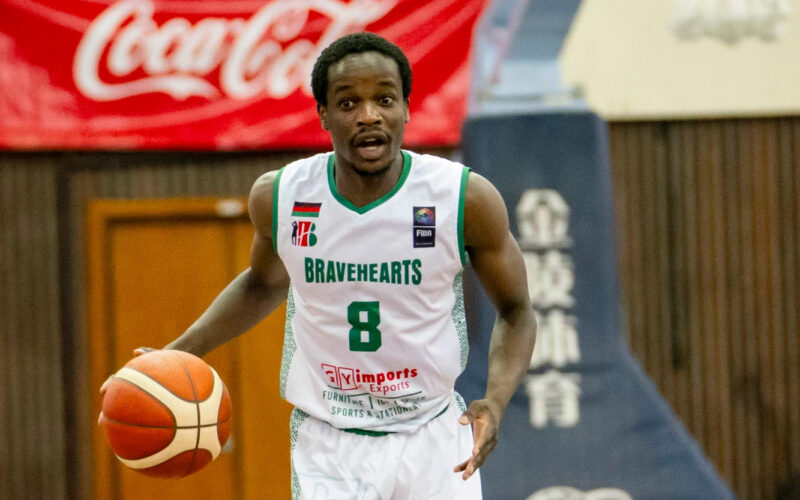
FOR over a year, since NBA commissioner Adam Silver announced that the NBA is moving toward implementing franchises for the BAL, the move has sparked anxiety in some quarters and excitement in others. As we await the NBA’s decision on the implementation timeline, The Big Tip Off’s Sandisiwe Msibi offers background and argues why franchising could either work or become a stumbling block for African basketball.
What we know so far
The Basketball Africa League (BAL) is moving closer to introducing permanent franchises, with discussions with selected bidders at an advanced stage. While the league expects to announce its first franchise owners in 2027, questions remain over when the teams will begin competing and how the new structure will work alongside the existing qualification system.
For the past year, discussions about permanent BAL franchises have been ongoing. Now, the focus has shifted from whether the change will happen to how it will be implemented, which markets will be selected, and what it will mean for clubs working their way through the Road to BAL.
The transition, however, involves more than awarding teams to investors. Infrastructure, financial sustainability and the future of qualification will all help determine what the next phase of the BAL looks like.
Franchise talks gather momentum
The BAL received dozens of bids for permanent franchises before its initial June deadline, attracting interest from established basketball markets such as Nigeria and Senegal, as well as emerging markets including Kenya, Rwanda and South Africa.
NBA Deputy Commissioner Mark Tatum confirmed that discussions have progressed with what he described as priority bidders, suggesting that the process is moving beyond the initial expression of interest.
“We’ve made significant progress on transitioning the Basketball Africa League to a franchise model,” he said.
Despite that progress, the league has not publicly announced its successful bidders or confirmed which cities will host the first permanent teams.
The selection process is entering a crucial stage, but significant decisions remain before the proposed structure becomes a reality.

What happens to the Road to BAL?
For clubs across the continent, one of the most pressing questions concerns the future of the Road to BAL. The qualification competition has been the route to the highest level of African club basketball.
While the introduction of permanent BAL franchises changes that pathway, the BAL has indicated that qualification will remain part of its future.
“We will continue to preserve open spots that clubs across Africa can qualify for on an annual basis,” Tatum said.
The future BAL model will feature approximately 10 permanent franchises alongside two qualification places. Under that arrangement, clubs can enter the competition through sporting merit, even as a core group of teams enjoys permanent participation.
The proposed BAL structure is seen as creating stability for franchise owners and access for clubs competing through the qualification system.
For teams currently pursuing a place in the BAL, that distinction matters. The introduction of permanent franchises does not mean the Road to BAL is about to disappear. Instead, qualification is expected to remain a route into a competition operating under a different overall structure.
The precise format, including how the qualification places would work alongside the permanent teams, remains subject to further clarification.
Arenas could shape the final decision
While investment figures have attracted attention, suitable arenas could prove just as important in determining which cities secure franchises.
Tatum indicated that venue infrastructure is one of the considerations as the league evaluates bids from across Africa. Permanent teams will need facilities that can host games and support the competition’s long-term ambitions.
That requirement helps explain why discussions have extended to governments and other stakeholders. An ownership group may have the financial resources to acquire a franchise, but the wider market must also be equipped to support a professional team.
It’s important to distinguish this, as the transition to franchises aims to establish lasting basketball institutions, not simply expand the number of teams in the competition.
For prospective host cities, the opportunity could bring greater visibility and investment. However, delivering the necessary facilities and creating a sustainable operating environment will be central to turning that opportunity into reality.

South African bid rejected
Although most bidders remain publicly unidentified, one unsuccessful proposal has emerged. A Cape Town-based bid centred on GrandWest Arena and involving executives associated with the former Cape Town Tigers was reportedly rejected despite having the necessary financial backing.
Venue suitability, market conditions, long-term planning and the ability to operate a sustainable team are seen as factors influencing the league’s decisions.
For South Africa, where basketball is in crisis, it begs the question whether a franchise in the current climate would be able to survive.
The timeline remains uncertain
Another important development has been the league’s increasingly cautious approach to the implementation timeline.
Although 2027 has been identified as the year the first franchises are expected to launch, that does not necessarily mean franchises will begin competing in the same year.
Tatum has previously indicated that permanent franchises could enter the competition as early as the 2027 or 2028 seasons. More recent comments, however, suggest that the league has yet to settle on a definitive start date.
He has also indicated they could introduce franchises on a rolling basis rather than all joining the new competition simultaneously.
This would allow the BAL to account for differences in infrastructure readiness and the preparations required in each market. It could also mean that the transition unfolds over several seasons.
The idea is stability, but at what cost?
This transition is a gamble worth taking, but only if the league remains committed to the broader African basketball ecosystem. Greater stability and investment could help strengthen the competition’s foundations, yet those gains should not come at the expense of opportunity and competitive merit.
Ultimately, the success of the franchise era will be measured not by how many franchise owners the league attracts, but by whether it continues to create meaningful pathways for clubs, players and fans across the continent.

There are certainly compelling reasons behind the move. Permanent franchises could provide the financial stability needed to attract long-term investors, strengthen club structures, improve player development and build a more consistent league identity. In many ways, these next steps are needed for the BAL to continue their growth and establish itself as one of the world’s leading basketball competitions.
However, those benefits must be weighed against the potential drawbacks. A system built around permanent franchises risks reducing the role of sporting merit and limiting opportunities for ambitious clubs that have traditionally earned their place through competition.
If not carefully managed, the shift could create a disconnect between the BAL and the domestic leagues and qualification tournaments that have helped drive the league’s rise over the past five seasons.
That is why the implementation will be just as important as the decision itself. To preserve both growth and opportunity, the BAL should maintain a hybrid structure that combines permanent franchises with qualification spots through the Road to BAL.
If executed correctly, the franchise model could provide the stability and commercial strength needed to elevate African basketball to new heights. But for that vision to succeed, growth, inclusivity and sporting merit must coexist.
The real challenge is not introducing franchises, but ensuring that, in pursuing a more sustainable future, it does not lose the continental accessibility and competitive spirit that made the BAL successful in the first place.

Sign up for our monthly newsletter for all the latest feature stories and previews of events on the African continent.