AfroBasket

SA coaches cry foul over non-payment for U18 AfroBasket

FOUR months have passed since the U18 AfroBasket (for men and women) ended on South African shores. However, some of the rubble from the chaotic way Basketball South Africa (BSA) organised the tournament remains.

The national federation appointed technical staff for the U18 teams at the eleventh hour and agreed on payments for the two-week tournament in the South African capital, Tshwane. Sadly, long-time servants of South African basketball Florsheim Ngwenya, Nosipho Njokweni and Craig Gilchrist say they and their colleagues have yet to receive their payments.

Njokweni (coach of the women’s team) and Gilchrist (assistant to the men’s team) expressed their frustration with the national federation. The former national team players intimated that this was an age-old issue, which had become worse under the current executive, stewarded by Sanele Mthiyane.

BSA took their calls, but they have now gone quiet

Gilchrist says the lack of professionalism has long been the modus operandi of BSA. “First of all, there was no direct communication with me about coaching the under-18s. I found out about it (my appointment) on a social media post on Facebook, which I do not use. My wife showed me the post saying Florsh (Ngwenya) and I had been named coaches,” said the former national team captain. “I then tried to get hold of Sanele to find out if it was fake news. He said it was not and that the secretary general (Sibongile Fondini) would get a hold of me, but he did not. Curtis (Van Wyk), the team manager, called me to make the travel arrangements, and I just got on the plane and arrived there (in Tshwane).
AfroBasket Craig Gilchrist
Craig Gilchrist says BSA has always operated haphazardly. Pictures: FIBA

Gilchrist says they met with the federation’s leadership before the AfroBasket tipped off to thrash out payment matters. “Towards the end of the camp, Sanele and Sibongile (Fondini) met with the technical staff, and they said we would be paid for our time,” said Gilchrist.

Asked if they were presented with documents to sign, Gilchrist said the following: “There is never anything signed with BSA. In all my dealings with them since 1997 as a player, I have never signed anything with BSA.”

The former senior national men’s team coach says others who also served at the tournament are in a similar boat. He also says Fondini has stopped taking their calls regarding payment.

“None of the coaches, managers and medical staff have been paid from AfroBasket. Initially, the SG (Fondini) responded to our questions but has since gone quiet. We are all in the same WhatsApp group. A week ago, I got hold of Sanele and asked him (about payment). He gave me the same old political response, ‘Your message has been received and I will revert to you as soon as possible’,” said Gilchrist. “So it’s clear they are not going to pay us.”

Despite challenges with previous BSA administrations, Gilchrist says the current one has proven extremely difficult to work with. “In the nineties, we were frustrated with BSA because we felt they were not doing a proper job. If I compare that to now, they were doing a phenomenal job, there were IPTs for under-18s and 16s, national club championships that lasted longer than a week and national teams travelled regularly. They were doing way better than the current executive,” said Gilchrist.

Njokweni says things are much worse

Njokweni spoke in the same vein as Gilchrist regarding the state of the federation. “The things that happened when I was a player are still happening now since I have become a coach and it has become worse,” said Njokweni. “For the last four months, we have been asking about our payments, and their (BSA) response to us was they are waiting for money from the government. So we are still waiting and we don’t know how long that will take.”
SA coach Nosipho Njokweni
Nosipho Njokweni did not have her full technical staff during the U18 AfroBasket.

Njokweni recalled the rushed appointments and how BSA promised contracts that never materialised. Also after fulfilling their mandate, they are still to get a cent from the federation. “Two things happened. When they (BSA) asked us to take up the (coaching) job, it was the night before (the start of the AfroBasket). The second thing, during the camp, we were told (by BSA) that we would get contracts with a specified amount of money… It was Sibongile who showed us on his laptop what the contract would look like, but to this day nothing has happened (about payment),” said Njokweni.

She lamented the state of the game by comparing the time she was a player and the present condition. Njokweni says previous administrations did try to do right by them despite the inadequacies of the time.

“I feel the federation has taken advantage of a lot of things. I’ll tell you why. Twenty years ago, I was a player too. When I was with the national team, and we were playing away, I would get $100. If we were in the country, I would get R50,” said Njokweni. “The coaches would get their contracts, sign them and even if they did not get their money immediately they would get it soon after the tournament. So at least something was happening at that time. As much as we were not happy a lot was happening. Right now nothing is happening.”

Ngwenya feels there is a loss of trust

Like his two colleagues, Florsheim Ngwenya, coach of the U18 national men’s team at AfroBasket, has experienced various BSA administrations. He believes one thing has remained the same – unchanging operational habits.

“There is a payment structure that BSA agrees on with coaches and technical staff, but (BSA does not honour that),” said Ngwenya. “It’s sad that when you enter into an agreement and the one party breaches it. It is frustrating that we are still here today.”
Florsheim Ngwenya SA coach
Florsheim Ngwenya is disappointed at BSA’s treatment of coaches and technical staff.

Ngwenya stressed the need to work in a trustworthy environment in the future, as the current way of working was not palatable. “If you come back to me and tell me ‘we need your services’. I will ask what is going to be different this time around. It’s not about financial rewards. It is about trust. If the organisation is not able to meet its obligation they have to explain why,” said Ngwenya.

The senior national team coach says what makes him sad is the federation’s failure to acknowledge the sacrifices made by the coaches and technical staff.  “It was disappointing because we were handling the administration for the kids. When you receive such a huge task, you do not want to moonwalk through it. You expect that they will appreciate you. It has not been the case. Even a thank you… Or a letter of acknowledgement for the work we put in. It’s not great, but it would have been ok. All we have gotten is dead silence and that is disappointing,” concluded Ngwenya.

At the time of publishing, the BSA had not responded to our requests for comment.

SA coaches cry foul over non-payment for U18 AfroBasket Read More »
Udezue keeps the flame burning for young Nigerian ballers

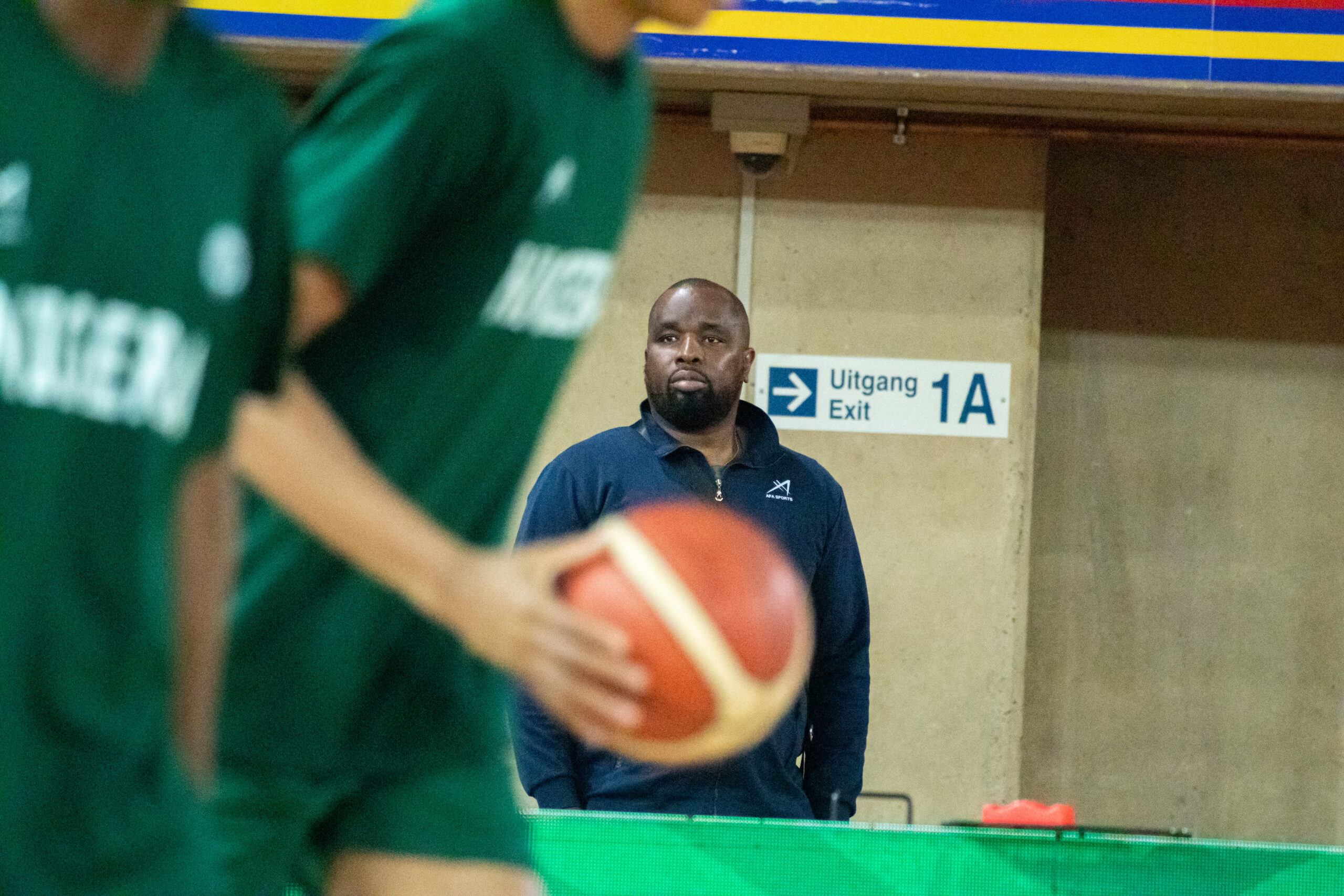
(PRETORIA) As an entrepreneur, Ugo Udezue understands creating opportunities for people can transform their lives. So, upon learning that the Nigerian teams (men and women) were struggling to get funding to travel to South Africa for the FIBA U18 AfroBasket, he moved mountains to ensure the kids would not miss the golden opportunity.

Udezue, a former basketball player, says making sure the youngsters made the trip for the tournament was personal, as the U18 program in his country, Nigeria, changed his life.

The businessman, owner of the growing sporting apparel brand Africa For Africa (AFA), also serves as head of delegation J’Tigers and J’Tigress teams. He also expanded on why he put his business interests on hold to serve his country.

“It was personal to me because I am a product of the U18 teams in Nigeria. It allowed me to get a scholarship and attend college in America. So when I learned that the government had no funding, I took it upon myself to raise the money… To keep the flame going for girls and boys,” said Udezue.

Ugo Udezue at the U18 AfroBasket
Ugo Udezue says the Nigerian youth team remind him of his younger self. Pictures: The BTO and FIBA

The J’Tigress arrived timeously for the event, while the men’s team’s travel plans were almost in jeopardy because of visa issues. To Udezue’s relief, the team made the trip down south and arrived in the early hours of last Wednesday for their Group B opener against Egypt.

Breathing a sigh of relief, he described how a stroke of good fortune led to the J’Tigers making their flight to South Africa.

“It was a blessing when they got here. They only made it here because the flight they were supposed to board got delayed to 8 pm. It (the flight) was supposed to leave at 12 pm, but they only got their visas at 3 pm… So, they quickly had to get on that flight. So it is by the grace of God, the hard work of people that have been on the journey with me and those that invested for this to happen,” says Udezue.


View this post on Instagram


A post shared by Ugo Udezue (@ugoudezue)

The Nigeria men’s program has been one of the most successful on the continent – the U18 men have six AfroBasket titles to show for it. But it has lagged over the last decade. Asked why this was the case, Udezue could not offer a reason and chose to focus on the present.

“Honestly, I do not have an answer to that question. I can only speak on what is in front of us today. I think it is important for countries to have youth development programs and be involved in these competitions,” said Udezue. “We are taking the bull by the horns and want to ensure that this is not our only participation. We want a repetition.

“This is not for us – it’s for the kids and giving them an opportunity. When you save one kid, maybe they can reinvest back into the country, like I did. So, I am fully invested in this process,” said Udezue, a former NBA agent.

While investing his time to help Nigeria show up on the continent, he has ensured they do so in style by supplying AFA branded kit to the women’s and men’s teams.

Being a man who experienced broadened horizons, he says his brand goes beyond just supplying kits. He says the ethos of AFA is to support the African sporting ecosystem.

“We did not start our brand to supply kits. AFA means Africa For Africa… For the game to grow, we need indigenous sports brands to be part of the process. Nike and Puma will not always come to our rescue,” said Udezue. “So there is an opportunity for local brands to support or sponsor local leagues and international competition, especially at this level (U18). It’s a no-brainer. If we had the capacity, we would want to sponsor this competition (AfroBasket). That is what we hope to do in future.”

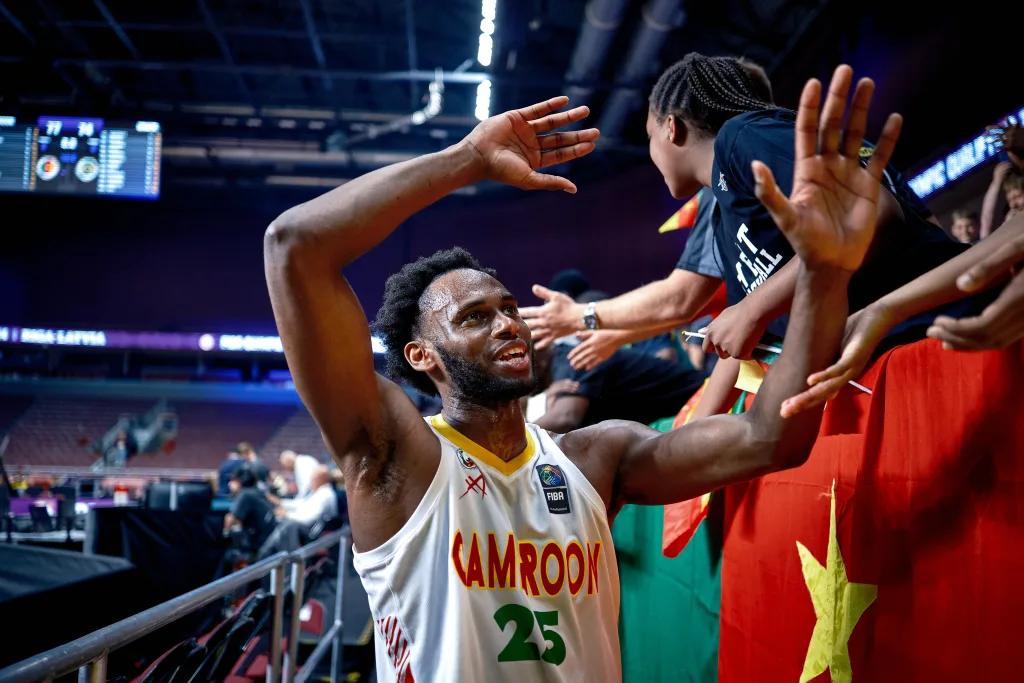
Roger Bidias of Cameroon
Cameroon’s Roger Bidias wears an AFA-sponsored kit during the FIBA Olympic qualifying tournament.

Udezue’s brand, adorned on the D’Tigress Olympic team kit, is beginning to have a footprint in neighbouring countries. AFA is a kit sponsor for Cameroon’s senior national teams. It (AFA) also supplied apparel to the Central African Republic team Bangui Sporting Club during their Road To BAL campaign last year.

For Udezue, it is only the beginning. “We are only getting started. Our mindset is not only Nigeria – it is Africa. I am a pan Africanist. I won’t say we want to dominate anything. We are setting up this brand to improve sports in Africa,” said Udezue.

The interview turned back to the kids and how they impacted him. “They have touched life because they have given me the opportunity to teach them. They have given me the opportunity to contribute to the world. I want them to be more successful than I have been,” said Udezue. “They have taught me so much and brought me back to the basics of who I used to be… That is humbling. I hope they able to change their own lives and that of their families.”

Udezue’s reinvestment in Africa has unlocked doors that seemed closed and opened a market that was bubbling under the surface. His pioneering and humanitarian spirit is inspirational and an example for the sons and daughters of this continent.

Udezue keeps the flame burning for young Nigerian ballers Read More »

All systems go for the U18 Women’s AfroBasket quarter-finals

(PRETORIA) The FIBA U18 Women’s AfroBasket tournament has been captivating audiences with its display of rising talent across Africa. With the quarterfinals on the horizon, the stakes are higher than ever as teams compete for a place in the semifinals. The group stage set the tone with high-scoring performances and notable upsets, leading to an exciting knockout phase.

Recap of Group Stage Results

Top Performers:

Mali: Averaged 94.7 points per game, leading the tournament in offensive output.

Key Player: Oummou Koumare – averages 20.5 points per game, a dominant inside presence.

Egypt: Averaged 90 points per game, showcasing efficient scoring and strong team play.

Key Player: Khadiga Abouelghait – averages 18.2 points per game. She is Egypt’s primary playmaker and scorer.

Cameroon: Averaged 81.7 points per game, demonstrating strong offensive and rebounding capabilities.

Key Player: Damaris Emédie – averages 12.0 rebounds per game. She stands out with her rebounding and control of the paint.

Koumare in action
Oummou Koumare of Mali has been lethal from the three-point line. Pictures: FIBA 

Significant Upsets:

Cameroon: Exceeded expectations with their impressive performances.

Uganda and Tunisia: Both teams showed resilience and are ready to impact the knockout stages despite tough battles.

Team Form and Momentum:

Mali and Egypt also bring solid form with their high-scoring capabilities and competitive edge.

Rwanda and Tunisia must leverage their momentum and seize opportunities to disrupt their experienced opponents.

Key Factors for Quarterfinals:

Managing Fouls: It’s crucial to manage fouls effectively to prevent key players from being sidelined and to maintain defensive intensity.

Capitalizing on Turnovers: Converting turnovers into scoring opportunities will be crucial, particularly in closely matched games.

Second Chance Opportunities: Teams must seize opportunities to impact the game’s outcome.

Breaking Full-Court Presses: Implementing effective strategies to break full-court presses is essential for maintaining offensive flow and reducing turnovers.

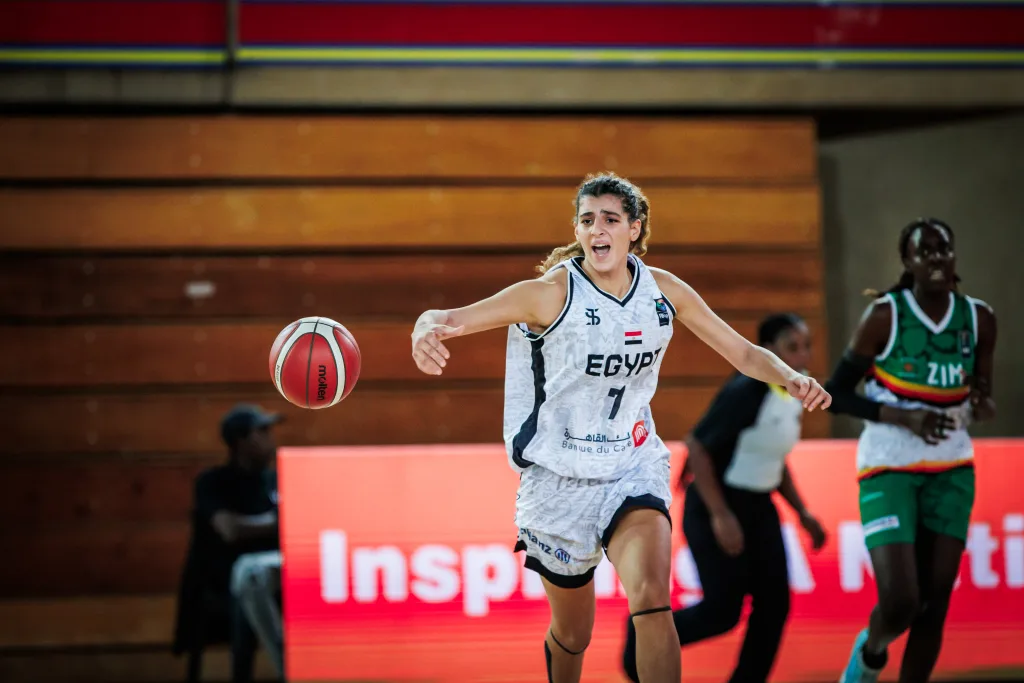
Khadigat Abouelagait
Khadigat Abouelghait lead Egypt to a second final in a row.

Quarterfinal Matchups

Nigeria vs. Egypt

Overview: Egypt, with a balanced and all-around strong game, faces Nigeria, who must bring their physicality and athleticism for this clash.

Key Players:

Nigeria: Idubamo Beggi – Averaging 19.7 points per game, a defensive and offensive force.

Egypt: Khadiga Abouelghait – Averaging 18.2 points per game, key playmaker and scorer.

Head-to-Head: Nigeria’s superior defence and rebounding give them an edge.

Key Factors: Nigeria’s ability to force turnovers and control the boards will be crucial in overcoming Egypt.


View this post on Instagram


A post shared by AfrikHoops (@afrikhoops)

Angola vs Cameroon

Overview: Angola faces a challenge against Cameroon, who excelled in rebounding and offensive play.

Key Players:

Angola: Margarida Moniz – averages 17.0 points per game and is a consistent scorer.

Cameroon: Damaris Emédie – averaging 12.0 rebounds per game, dominant in the paint.

Head-to-Head: Cameroon’s rebounding dominance could be a decisive factor.

Key Factors: Angola must limit second-chance opportunities and maintain defensive discipline.

Mali vs. Rwanda

Overview: Mali’s scoring depth and rebounding strength pose a significant challenge for Rwanda.

Key Players:

Mali: Oummou Koumare – Averaging 20.5 points per game, dominant inside presence.

Rwanda: Brigitte Nibishaka – Averaging 15.3 points per game, crucial to Rwanda’s offence.

Head-to-Head: Mali’s strength in the paint and rebounding could be overwhelming for Rwanda.

Key Factors: Rwanda must counter Mali’s size and rebounding advantages while maintaining sharp play at both ends of the court. Managing fouls and capitalizing on second-chance opportunities is paramount.

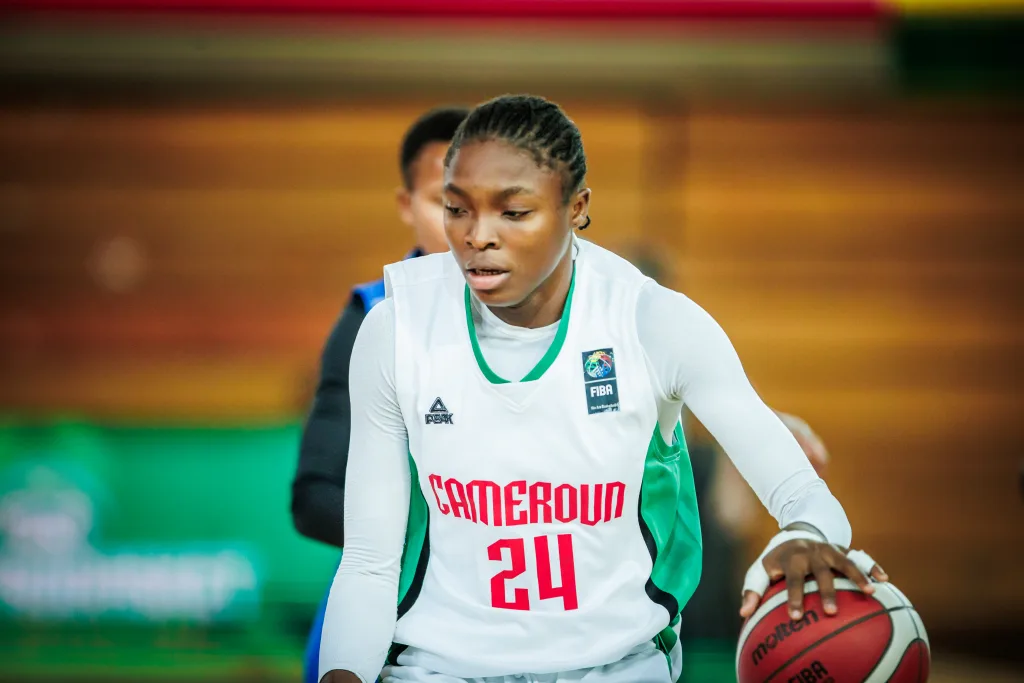
Damaris Emedie
Damaris Emedia has part of the surprise package, Cameroon’s success.

Tunisia vs Uganda

Overview: Tunisia had a solid group stage performance and will face a competitive Uganda team known for their scoring ability.

Key Players:

Tunisia: Ines Ben Rejeb – averages 16.0 points per game. She is a strong defender and key scorer.

Uganda: Resty Nanangwe – averages 18.0 points per game. She is a dynamic scorer crucial to Uganda’s strategy.

Head-to-Head: Tunisia’s defensive sternness will come head-to-head against Uganda’s offensive adaptability.

Key Factors: The outcome may depend on consistency in offence and minimizing turnovers. Tunisia’s defence will be crucial against Uganda’s scoring threats.

Predictions and Expectations

Cameroon’s rebounding and press might give them an edge over Angola, though the game could be close.

Mali are favourites against Rwanda, with their dominance in the paint and scoring depth likely to be decisive.

The battle between Tunisia and Uganda is expected to be tight, with Tunisia’s defensive consistency possibly giving them a slight advantage. However, Uganda’s dynamic scoring could lead to an upset if they execute their game plan effectively.

Surprises teams

Cameroon and Uganda are potential dark horses. They can upset higher-seeded teams if they manage important aspects of the game, such as turnovers and second-chance opportunities they have the potential to go far in the competition.

The FIBA U18 FIBA Women’s AfroBasket quarter-finals promise intense, high-stakes basketball action. Semifinal spots are on the line, and teams must deliver their best performance. The games will showcase Africa’s brightest young talents as they continue their quest for continental glory.

All systems go for the U18 Women’s AfroBasket quarter-finals Read More »

Zambia bring good vibes and fighting spirit to U18 AfroBasket

(PRETORIA) Since arriving in South Africa for the U18 AfroBasket, the Zambia men’s team has been one of the vibrant teams at the tournament. From their excitement at their media day to how the Zambians sang in unison during pre-match training, they have soaked in every moment – in their tournament debut.

A day after his team’s memorable group stage victory over South Africa, coach Paul Mwale says his team is so upbeat because of the mantra they live by, boostele. The word is a fusion of English and the accentuation at the end.

“We thrive on what we call boostele. Boostele gets us in the mood (ahead of games) – it takes the fear out of us. We challenge each opponent that comes our way. So we are always upbeat because of that,” said Mwale. “We always want to be in a happy space and mood to be game-ready. Soccer and netball do the same. So this is our philosophy as a sports nation.

Paul Mwaleon the sidelines
Paul Mwale and Zambia will adopt a business-like attitude against Rwanda. Pictures: FIBA and The BTO

Mwale’s team has recorded a 1-1 record in the tournament, an opening Group C loss to Morocco (84-67) and a win (70-61) over the host nation, South Africa, which set off jubilant celebrations from the players and staff. On Monday, Zambia’s final game against Rwanda will hold the key to their destiny in the competition. The Zambian coach shared his thoughts on the first two games before delving into the final group battle against their East African opponents.

Against Morocco, Zambia chased the game but would eventually capitulate early in the fourth quarter. In a similar quarter against South Africa, this time in the final three minutes, Zambia held their nerve to get their first win of the tournament.

“The boys responded well, especially after the game against Morocco. We came out to play against South Africa. Now we have given ourselves a fighting chance going to the next game (against Rwanda),” said Mwale. “We used up a lot of energy on the defensive side against Morocco. Most of my key players burnt out, and the bench did not come to the fore. So, the bench needed to step up a little more. We did a little bit of that against South Africa.”

Mwale knows they have to maintain their discipline, especially in close games. So, a heart-to-heart discussion with his team ahead of the game against South Africa took place and it did the trick.

“We had long chats with players after the Morocco game… I think they understood the importance of maintaining the lead. For them to do that in the game against South Africa shows we are getting somewhere,” said Mwale. “It’s the first time these kids get to play at this level. So, with each game, there is a better understanding of what it means to play in a competition of this magnitude.”

Mwale also shared some insights he gathered for the crunch match against Rwanda. “They love to play a little fullcourt press. It’s been common (the fullcourt press) in this tournament and it’s something we have prepared for. What we need to do is execute our game plan and we will be ok,” said Mwale.

Also, some exciting prospects stepped up for Zambia in this tournament. Frank Siame, who ranks second in scoring (20.5 points per game), ninth in rebounding (9 rebounds per game) and sixth in rebounding (3.5 rebounds per game) has put his name on a pedestal.

Frank Siame in action
Frank Siame has been one of Zambia’s star players in U18 AfroBasket.

There are also the likes of Kelvin Mulenga (14 points and four assists per game) and Kelvin Mulenga (10.5 points per game), who set the scene alight for their country at this tournament.

“I am really impressed with these kids… It shows they have a bright future ahead of them. They have taken the challenge and told themselves, ‘We are gonna lead this team’. And they are doing that well,” said Mwale. “Game after game they have proved that they can play hard and push Zambia to greater heights.”

Zambia’s team unity and fighting spirit have made them worthy of a place in this tournament. A win over Rwanda keeps their hopes alive and for the fans, it will be a chance to enjoy Zambia’s competitiveness and good vibes.

Zambia bring good vibes and fighting spirit to U18 AfroBasket Read More »

Negedu confident J’Tigress are headed in a winning direction

(PRETORIA) The Nigeria women’s U18 program, which had languished in the wilderness for over a decade, has recently experienced a resuscitation, culminating in a third appearance at the ongoing U18 AfroBasket in Tshwane, South Africa.

Leading the revived Nigeria U18 team is Juliana Negedu, a 2004 Olympian and an assistant coach of the D’Tigress 2023 title-winning AfroBasket team.

Before speaking on the AfroBasket, she spoke glowingly about her experience at the Athens Olympics. The 45-year-old coach remembers the one victory they notched against South Korea in the classification game.

“We made history. We won one game – an African team winning a game in the Olympics. For me it was big. Going there, representing Africa and my country,” said Negedu.

Juliana Negedu on the sidelines
Juliana Negedu has the credentials and squad of players to win the U18 AfroBasket. Pictures: The BTO

Can Negedu’s experience as a player and contribution to the success of the D’Tigress in last year’s AfroBasket rub off on her team? The Nigerian coach felt the experience she had collected over time and working with the best people put her in a position to be successful.

“I know what happens on the court and off it. I have also played at the under-18 level and transitioned to the senior team. Apart from the Olympics, I have played in Europe. Those experiences put me in a position to coach the girls better,” said Negedu. “The AfroBasket success can also rub off on the group. Getting to work with Coach Rena (Wakama)… There are things I picked up that I can also implement in this tournament.”

The Nigerian coach and her team got their first taste of action in the U18 tournament against 2022 finalists Egypt in Group C on Monday – and the J’Tigress gave the North Africans a run for their money.

Negedu was far from disheartened by the 12-point loss (72-60) against the two-time champions. She felt following their long absence from the tournament, their performance against Egypt gave them a moral victory.

“It feels great. I know we were not able to get this one. Even though we lost, I believe we won. We have not been here for over a decade, and to perform the way we did is a sign of progress,” said Negedu. I feel the girls did well (against Egypt). We need to make a few adjustments, and we will be fine.”

Negedu spoke confidently about her team’s chances of bringing a maiden title at U18 level.

“My objective is to win. Win all the way and as I said already, even if we lose, I believe we have won. We are working on developing our talent and winning in the process,” said Negedu.”We are doing well, but we just need to get better in certain areas. The major goal is to win.”

Before the tournament in South Africa, Nigeria’s last participation in the U18 continental tournament was in 2008. Asked why this was the case, Negedu said, without being specific, that there were minor challenges.

“I think we were trying to figure out certain things to make that we get back here (to AfroBasket). I believe those small issues have been resolved and that why we are here today,” said Negedu.

The J’Tigress have two group phase matches left and they must Zimbabwe (on Thursday) and Uganda (on Saturday) to secure a place in the AfroBasket quarterfinals. Given Negedu’s confidence and how Nigeria held its own against Egypt, the idea of them being contenders for the title is not far-fetched.

Negedu confident J’Tigress are headed in a winning direction Read More »

Hendricks confident SA can step up their on home court

(PRETORIA) SOUTH African U18 team captain Taite Hendricks spoke with conviction in saying the men’s team should not be taken lightly ahead of their opening game at the FIBA U18 AfroBasket tournament.

On Tuesday (today), Hendricks will lead his team against the East African nation Rwanda at the University of Pretoria’s Rembrandt Hall, where the games are taking place.

Hendricks expressed his excitement at having the opportunity to captain the host nation on this momentous occasion for youth basketball.

“It was excitement and a little bit of nerves. It is a high-level tournament and there are going to be many eyes watching, so there will always be nerves. I am excited to get to play basketball at this level,” said Hendricks. “I am trying to lead by example… Trying to keep everyone’s spirits up. We must stay ready the whole time because you never know what can happen.”

Taite Hendricks and his teammates
Taite Hendricks, second row, feels his team will bring the right energy against Rwanda. Pictures: The BTO

Aware that his team may have a limitation or two, the St Charles pupil and his teammates are up for the job ahead.

“We are feeling excited. It’s good to see the variety that we have in our team. We are obviously an undersized team, but that is not going to deter us at all. We are going to put our best effort on the court and show that South Africa is not a team to play with,” said Hendricks

Like their female counterparts, the South African men’s team got together only a few days before the youth competition, meaning they must hastily adjust to the demands of the AfroBasket.

When asked if the lack of preparation had negatively affected the team, Hendricks gave a firm response.

“No this has not disturbed us at all. Whatever happens, happens. What need to do is focus on what we can control,” said Hendricks.

Ahead of the battle against Rwanda, Hendricks says he and his teammates “can’t wait to get started”.

“You can expect a lot of energy. Hard work on defence and hustling. We are going to give a hundred per cent out there. We can’t wait to get this thing (U18 AfroBasket) started,” said Hendricks.


View this post on Instagram


A post shared by Taite Hendricks (@taite_hendricks12)

He also pointed to an area of the game where he and his teammates can potentially benefit.

“Defence… We are an undersized team, so our defence has got to be what separates us from everyone else. So when we hustle on defence, when we don’t give up rebounds and make we sure we are the best defensive team, it can help us win this tournament,” said Hendricks.

Going into this tournament, Hendricks and his teammates will have wise heads leading them from the sidelines. He hailed the appointments of senior men’s national team coaches Florsheim Ngwenya and Craig Gilchrist for the continental mission.

“They are legends of South African basketball. It’s incredible for the team to work with them at this level. We get to learn from coaches who are as experienced as they are and have so much knowledge of the game,” said Hendricks.

The journey to the AfroBasket seems like an epic ride for this young South African team, while the challenges of preparation are glaring, Hendricks did not waver from his tone of confidence, delivering this message for his team.

“We need to keep our heads up. Block out the external noise. Work as hard as we can because I believe we got this,” concluded Hendricks.

South Africa is in Group C, alongside Morocco, Rwanda and Zambia.

To see fixtures click on the FIBA U18 AfroBasket link.

Hendricks confident SA can step up their on home court Read More »

Taukobong embraces leadership challenge ahead of AfroBasket

(PRETORIA) It has not been the best preparation for host nation South Africa going into this year’s FIBA U18 Women’s AfroBasket. Still, team captain Reatlegile Taukobong is taking the situation in her stride.

The South African team was assembled last Wednesday, giving them little time to prepare for the tournament, which starts on Monday. But on Saturday night’s media day, Taukobong, an MVP of this year’s National Women’s Inter-Provincial Tournament, and her teammates were in high spirits ahead of the AfroBasket.

While they were upbeat during the photo sessions, Taukobong was aware of their situation and acknowledged the feeling of “anxiety” within the team.

“We are happy that we can organise the tournament, but there is a feeling of anxiety about our preparedness. We know teams like Egypt have been preparing for a long time. They have had their team for months,” said Taukobong. “On our side, I feel our coaches are doing their best to get us on par with everything… With the team bonding, the time has been limited… But we are getting there.”

Reatlegile Taukobong SA team captain
Reatlegile Taukobong has to rally the South African team in the AfroBasket. Pictures: The BTO

With the added pressure of hosting the best from the continent, ensuring that the South African team is a cohesive unit is paramount and that partly rests on Taukobong’s shoulders.

She says her teammates have made it easy for her by understanding the role they need to play for collective success.

“They are a special group of players. One of the biggest fears in the team was not being able to connect, but when we saw each other, we instantly bonded,” said Taukobong. “At the practices, everyone is pushing hard. As captain, I don’t need to do much because everyone knows what they have to do. They all know what time to wake up. I don’t need to tell them, ‘Do this, do that’.

“It’s been amazing. I love this team.”

South Africa opens their Group A campaign against Rwanda at the University of Pretoria’s Rembrandt Hall – for the battle against the East Africans, Taukobong feels she and her teammates are for the task.

“One of the things we should all do is implement what we have been practising. Our camp was short, but we did not run in the sun for hours and hours for nothing. Also, our communication needs work, especially in defence. I feel like once we have that going then we will be good,” said Taukobong.

Reatlegile Taukobong
Reatlegile Taukobong won the U18 Inter-Provincial Tournament with Gauteng and was the competition’s MVP.

Asked what she would want to gain from the AfroBasket competition, Taukobong, a camper at Basketball Without Borders, says she hopes to excel in leadership.

“… Because I am captain (of the national team), I want to learn how it feels to lead a country. I am leading South Africa. At the end of the tournament, I am going to ask my coach how I did as captain. I want to know if I am a good enough leader,” said Taukobong. “Also, we are playing against other countries from the African continent is going to be great exposure and experience.”

Taukobong holds a positive outlook and she understands that this tournament is a learning curve for the South African team. Despite the troubled preparation she now has to rally her troops on the court to give the best version of themselves against the best on the African continent.

2024 FIBA U18 Women’s AfroBasket fixtures:

1 pm: Tunisia vs Cameroon

3.30 pm: South Africa vs Rwanda

6 pm: Egypt vs Nigeria

8:30 pm: Zimbabwe vs Uganda


Taukobong embraces leadership challenge ahead of AfroBasket Read More »

×
Verified by MonsterInsights